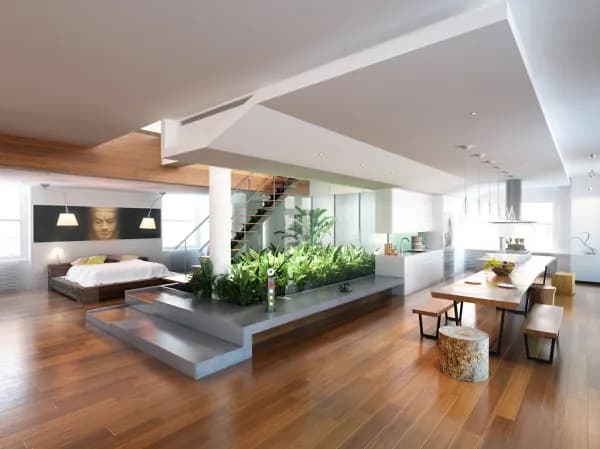
With a heat dome hitting 200 million Americans, these strategies cut indoor temperatures meaningfully — without running up your energy bill. Several of them also improve how your home looks.
With a heat dome pushing 90–100°F temperatures across more than 200 million Americans this week, keeping your home livable is a health issue, not just a comfort one. And while air conditioning is the obvious answer, there are eight well-documented strategies that lower indoor temperatures meaningfully without sending your energy bill through the roof.
Several of them are also design decisions — which means they improve how your home looks and functions year-round, not just in July.
1. Block heat at the windows
Up to 30% of unwanted heat enters a home through windows. The most effective passive cooling move is blocking direct sunlight before it can radiate as heat into your rooms.
What works:
- Blackout or thermal curtains on south- and west-facing windows, closed during peak sun hours (roughly 11am–4pm)
- Solar shades, which block UV and heat while still admitting diffused light
- Exterior shading — awnings, pergolas, exterior shutters — which stop heat before it hits the glass
Window treatments are also design elements. A room with light linen drapes that happen to cut summer heat gain looks considered year-round.
2. Run ceiling fans counterclockwise
In summer, ceiling fans should spin counterclockwise. This pushes cooler air downward and creates a wind-chill effect that can make a room feel 4–6°F cooler without actually lowering air temperature. A ceiling fan uses about as much electricity as a light bulb — far less than any AC unit.
3. Use cross-ventilation during cool hours
Outside air is often significantly cooler before 8am and after 9pm, even during a heat wave. Opening windows on opposite sides of a room or house during these hours flushes stored heat out. Close up tight again before temperatures rise. The goal is to load the house with cool air early, then trap it.
4. Seal gaps around windows and doors
Tiny gaps around window and door frames let cool air escape and hot air in. Weather stripping and door sweeps seal these for under $30 and have an immediate impact on how hard your AC has to work. HVAC professionals cite a leaky envelope as one of the most common reasons homes struggle to hold temperature during extreme heat.
5. Insulate the attic
Attic heat transfer is responsible for a large share of summer cooling load. An under-insulated attic can make top-floor rooms noticeably hotter, forcing your AC to compensate constantly. Attic insulation is consistently cited as one of the highest-ROI home improvements for both heating and cooling — low installation cost, large year-round impact.
6. Choose lighter paint colors on sun-facing walls
Dark colors absorb radiant heat and re-emit it. Light colors reflect it. This applies to interiors too: rooms with warm, dark paint on south- or west-facing walls absorb more heat throughout the day. Light neutrals, whites, and pale cool tones on those surfaces reflect more and run cooler.
For homeowners thinking about a summer refresh, this is a functional reason to lean toward the lighter palettes 2026 designers are already recommending — sage green, creamy whites, pale blue — on sun-exposed walls.
7. Swap heavy textiles for linen and natural fibers
Heavy curtains, thick rugs, and dense upholstery trap heat and moisture. Switching to linen drapes, cotton slipcovers, and natural-fiber rugs for the summer months makes a room feel meaningfully cooler. This is also a design trend: the seasonal "summer edit" of a room, swapping heavy textiles for lighter ones, creates a space that looks and feels more appropriate to the time of year.
8. Eliminate interior heat sources
A conventional oven running in summer can raise indoor temperatures 5–10°F. An air fryer, slow cooker, or outdoor grill keeps that heat outside. LED bulbs run far cooler than incandescent ones. Unplugging appliances in standby mode, phone chargers, gaming consoles, coffee makers, removes a surprising amount of ambient heat across a whole house.
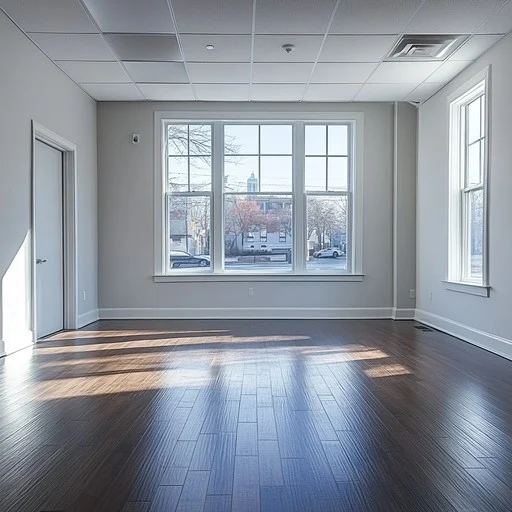
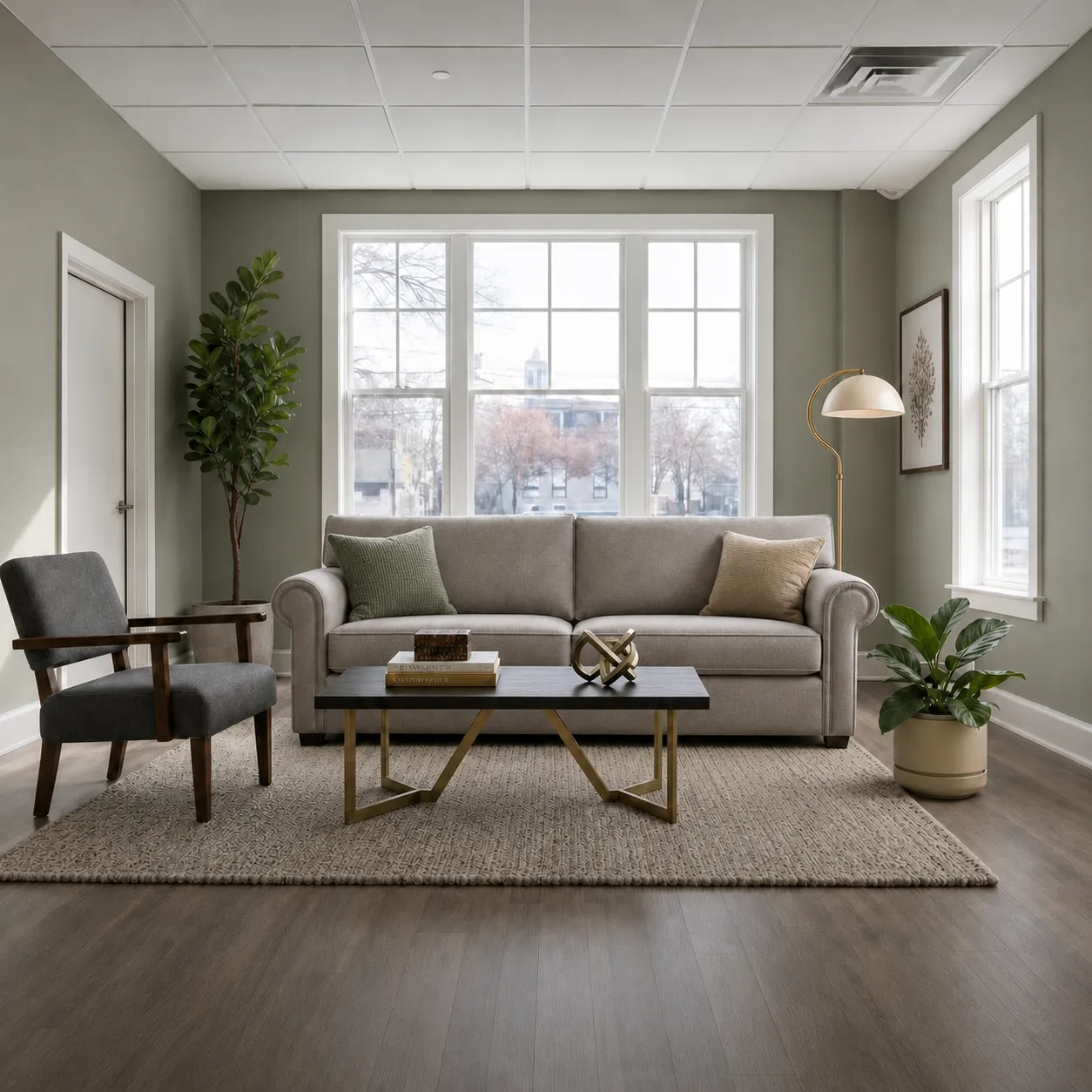
See your own room redesigned in seconds
Upload a photo, pick a style, and shop the exact look. Free to start.
The design connection
What's notable about this list is how many of these are also design decisions: window treatment choices, wall color, textile weight, room layout for airflow. A home designed to stay cool passively, with the right shading, the right palette, and the right textiles, looks intentional year-round, not just during a heat wave.
If your home runs hot in summer and you're thinking about a refresh, it's worth seeing those design choices before committing. airender lets you upload a photo of a room and see it redesigned with different window treatments, paint colors, and furniture, rendered in your actual space. You can pick the lighter linen drapes that block the afternoon sun and also look good in December, before spending anything.
The bottom line
Blocking heat through windows, running fans correctly, sealing gaps, and using lighter textiles can cut indoor temperatures meaningfully without dramatically increasing your energy bill. Several of these are also design improvements that work year-round. The heat dome is here — tackle the easy ones today.