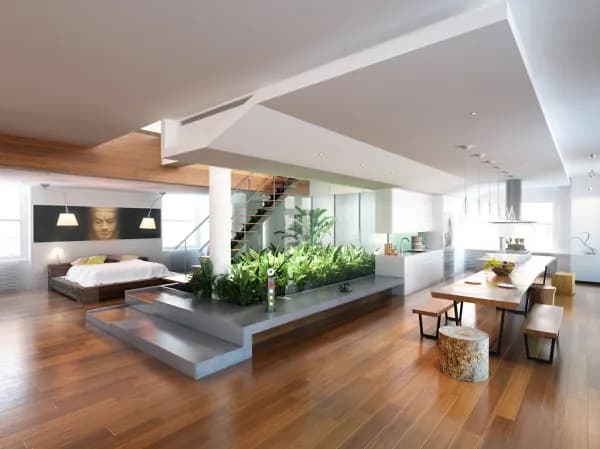
Cool grays, stark whites, and early-2020s saturated hues are fading fast. Here are the living room colors designers say feel dated in 2026, and the warmer looks taking over.
The cool gray living room that defined the last decade is officially on its way out. A wave of designer forecasts this month all point the same direction for 2026: warmer, softer, and more lived-in is in, while the icy, flat palettes of the 2010s are starting to look tired. If your living room still reads cold and sharp, here is what is moving on and what is worth trying instead.
What designers are dropping
Cool-toned neutrals and Millennial gray. This is the biggest departure. The crisp whites and cool grays that blanketed living rooms through the 2000s and 2010s are losing their grip. Principal designer Nina Long described the shift as "a move away from overly cool, flat palettes, especially icy grays and blue-based whites," explaining that they "tend to fall a bit short in living rooms, where you want depth, warmth, and a sense of ease." Her go-to replacement: warmer taupes and soft brown neutrals like Farrow & Ball's Jitney.
Sage green. This is a surprising one given its dominance in recent years, but multiple designers name overexposed sage as a color that now reads generic. It is not going away everywhere, but it has lost the feeling of being a considered, personal choice.
Bold saturated hues. The vivid accent walls and high-saturation statement colors of the early 2020s are cooling off. What is replacing them is more nuanced: deeply toned, complex shades that feel intentional rather than loud.
Bland beige. Not the warm, buttery kind, but the flat, noncommittal builder-grade beige. Designers are steering away from color that feels like an avoidance of color.
What is coming in
The broad replacement theme is warm, grounded, and characterful. Deep rich browns, moody slate, warm olive, and complex mushroom are all turning up in designer recommendations. The palette is still neutral in the sense of being livable, but it carries depth and warmth that cool gray never had.
The broader trend shift is also about how a room feels, not just its color. Designers are pushing spaces that read cozy and personal over those that look like a staged showroom. That means layered texture, collected objects, and a palette that reflects the people living there, not a trend board.
Why it matters
Wall color is the hardest-to-undo decision in a room, which is exactly why these trend calls matter. If you paint in a fading direction now, you are locked into a space that reads dated before the paint has cured a year. Getting ahead of the shift, or at least avoiding the palette that is on its way out, is worth the upfront thinking.
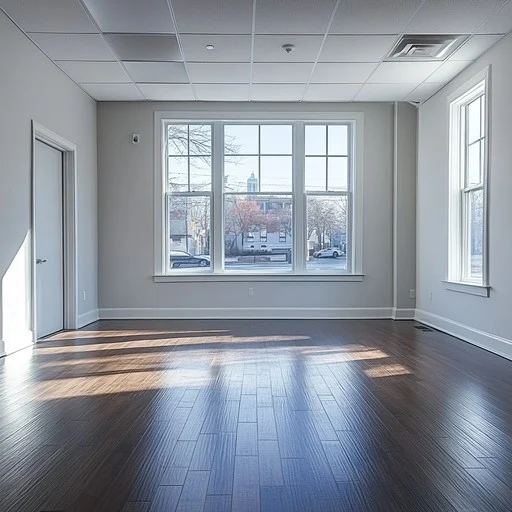
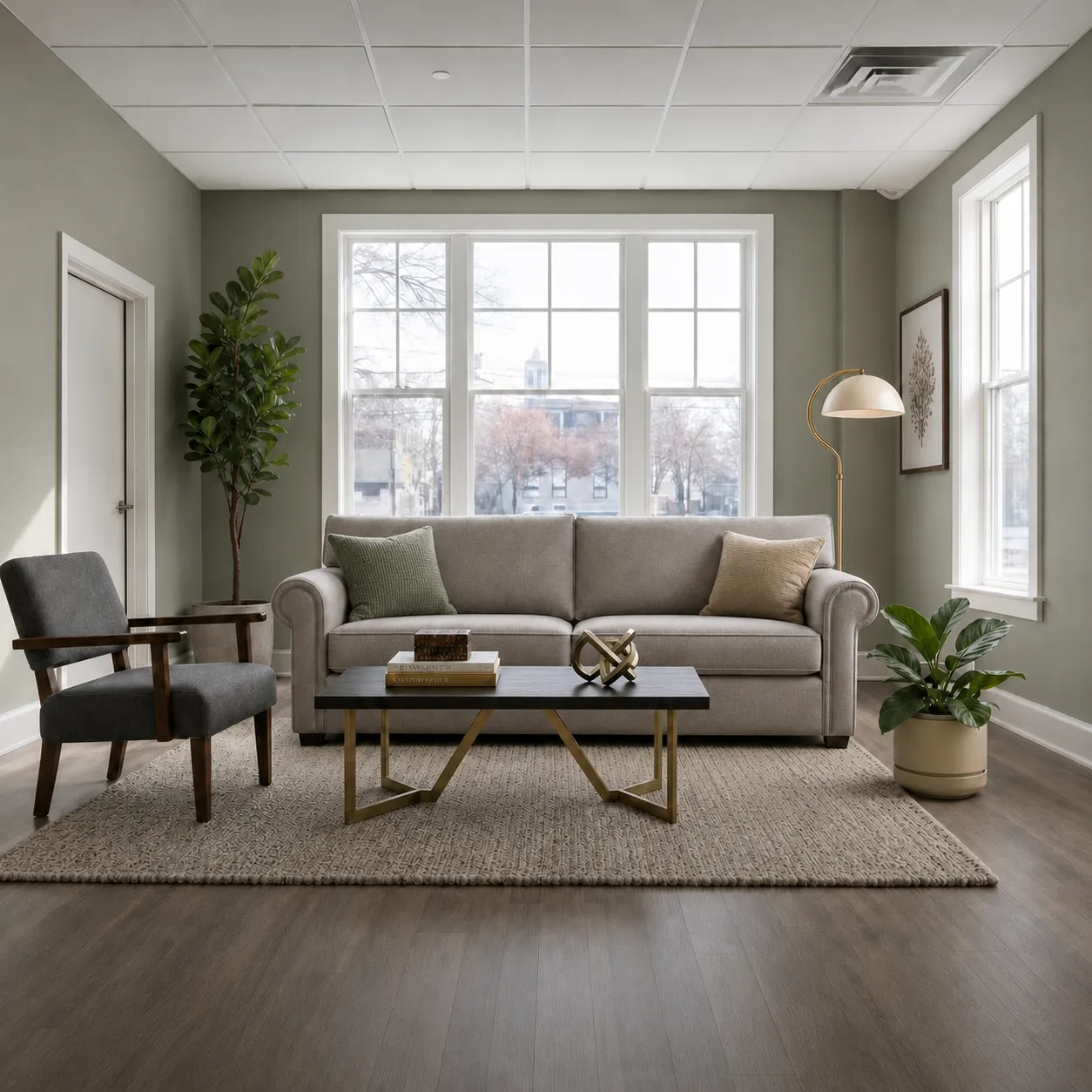
See your own room redesigned in seconds
Upload a photo, pick a style, and shop the exact look. Free to start.
How to try the warmer palette in your own room
Swapping cool gray for a warm taupe sounds simple until you are standing in your actual living room wondering whether the change will make things feel muddy or wonderful. Light, flooring tone, and furniture color all interact with wall color in ways no paint chip can predict.
That is where airender helps: upload a photo of your living room and see it restyled in the warmer 2026 direction, with real in-stock furniture and decor to match, before you buy a single can of paint. You judge the look in your actual space, not someone else's Instagram.
"A move away from overly cool, flat palettes, especially icy grays and blue-based whites," is how designer Nina Long described where the 2026 living room is heading. Source: Homes & Gardens.
The bottom line
2026 is the year the gray living room finally gets warmed up. The palette moving in rewards depth, character, and warmth over the cool restraint that dominated the last decade. Test the direction in your own room first, then commit.