A heat dome is bringing 90–100°F temperatures across more than two dozen states through early July. HVAC companies already expect 25–50% more service calls. Act before the lines get long.
A heat dome is developing over much of the central United States through the Independence Day weekend, expanding into the East and bringing highs in the 90s and 100s to more than 200 million people across more than two dozen states. HVAC companies are already reporting surge demand — and if your air conditioner has a problem, now is the time to find out, not on the hottest afternoon of July.
What's happening
AccuWeather's forecast shows the heat dome delivering dangerous heat and humidity to a broad swath of the Mississippi and Ohio valleys, with the most intense period running from late June through early July 2026. Iowa expects temperatures in the 90s. New York Governor Hochul declared the state is preparing for its first significant heat wave of 2026.
HVAC companies report that extended heat waves typically bring 25 to 50 percent more service calls — with most homeowners calling only after something breaks during the worst of the heat, when wait times can stretch to days.
The homeowner checklist right now
Change your air filter today. This is the single most-cited tip from HVAC professionals. During extended heat, your AC runs 24/7. Filters clog far faster than normal, making your system work harder and fail sooner.
"When you're running 24/7, those filters clog up pretty quick, so changing that filter is vital." — Jason Gassmann, president of Bell Brothers HVAC
Set your thermostat to 78°F when home, 82°F when away. These settings balance comfort with grid stability. Higher settings help prevent the power outages that hit hardest during peak afternoon demand.
Enroll in a smart thermostat utility program. In Iowa, MidAmerican Energy's Summer Saver program gives smart thermostat users a $40 credit in exchange for small temporary adjustments during peak days. Many utilities across the country offer similar programs.
Run ceiling fans counterclockwise. In summer mode, ceiling fans push cooler air downward and create a wind-chill effect that makes a room feel 4–6°F cooler. They use about as much electricity as a light bulb.
"If you can turn that thermostat up a little bit, that means you're not using your air conditioner as much...you're saving on your monthly bill." — Geoff Greenwood, MidAmerican Energy
Close blinds on south- and west-facing windows. Sunlight through glass is one of the fastest ways to heat a room. Blocking it during peak hours (11am–4pm) meaningfully reduces cooling load.
Don't rely on fans alone. Fans create airflow and a feeling of coolness but do not lower room temperature. In extreme heat above 95°F, fans can make conditions more dangerous.
Check attic insulation. An under-insulated attic transfers heat directly into living spaces. If top-floor rooms run noticeably hotter, poor attic insulation is almost certainly the cause.
Why timing matters
The peak heat coincides with the Independence Day weekend — one of the highest-demand periods of the year for HVAC service. Technicians are already booking out. If your system has been making noise, running longer than usual, or struggling to reach the set temperature, schedule a check today.
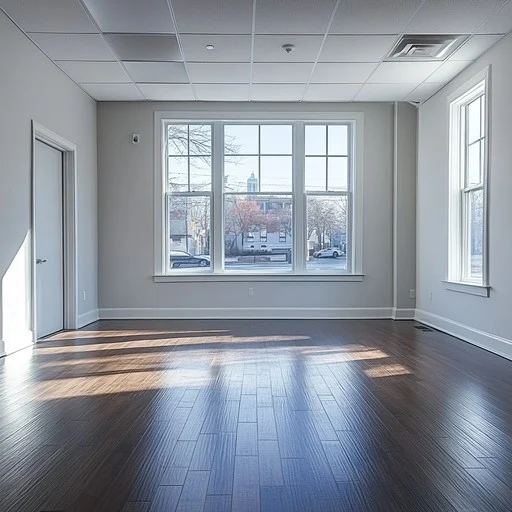

See your own room redesigned in seconds
Upload a photo, pick a style, and shop the exact look. Free to start.
The design angle
Many of the most effective passive cooling strategies are also design decisions: the right window treatment on a sun-facing wall, lighter paint on south-facing rooms, linen and cotton textiles instead of heavy upholstery. These choices reduce heat load year-round while improving how your space looks and feels.
With airender, you can visualize window treatment options, room color changes, and layout adjustments in your actual room before spending anything, so a summer prep project doubles as a room refresh.
The bottom line
The heat dome is coming and HVAC companies are already stretched. Change your filter, set the thermostat, close the blinds, and enroll in a utility savings program before the peak hits. For homeowners with older systems, the best time to call is today — not the afternoon the system gives out.