From $13,000 homes in Abruzzo to one-euro properties in Sicily, here's a real breakdown of the cheapest countries to buy a house in 2026 — and the catches most articles skip.
A CNBC story published this week about a New York couple who bought a house in Italy's Abruzzo region for $13,150 is making the rounds — and it's pulling along a wave of search traffic from Americans doing the math on what it would actually take to do the same thing.
The headline is real. The $13,150 is real. But "cheap house abroad" is a category with a wide range, and the actual cost depends heavily on which country, which region, and what condition the property is in. Here's what the market actually looks like in 2026.
Italy: the viral option
Italy gets the most attention because its one-euro home schemes are genuinely remarkable — local councils in depopulated villages across Sicily, Sardinia, Calabria, and Abruzzo have made properties available for as little as €1, specifically to attract foreign buyers who will renovate and occupy them.
The catch is renovation requirements. Buyers typically must commit to restoring the property within 3 years and demonstrate proof of investment. A one-euro house can easily become a $50,000–$80,000 project after structural work, plumbing, and electrical updates.
Outside the one-euro scheme, Abruzzo offers the best price-to-quality ratio. Rural homes start under $80,000. Small towns like Teramo and Chieti have properties in the $100,000–$130,000 range. The CNBC couple's specific deal ($13,150) reflects the real lower end of that market.
All-in transaction costs: Italian purchases include notary fees, registration tax, and agency fees that typically add 10–15% to the purchase price. On a $13,000 property, expect $1,500–$2,000 in closing costs alone, before renovation.
Bulgaria: the cheapest EU option
Bulgaria is consistently the cheapest place to buy property in the European Union. Rural properties start around $11,000. Urban apartments in smaller cities run $20,000–$40,000. Even in Sofia, the capital, property is significantly cheaper than comparable western European cities.
The trade-off is infrastructure and bureaucracy. Bulgaria has EU membership, meaning some legal protections for buyers, but also significant rural depopulation and a less established expat community than Italy or Portugal.
For buyers willing to do serious due diligence, Bulgaria offers the most raw value in Europe.
Portugal: the most established expat market
Portugal, particularly Lisbon, Porto, and the Algarve, has been the preferred destination for American expats for most of the last decade. Property is more expensive than Italy or Bulgaria — central Lisbon apartments regularly exceed $300,000 — but the infrastructure is stronger, English is widely spoken, and the digital nomad visa program is well-established.
The affordable Portugal play is in the interior, regions like Alentejo and Trás-os-Montes, where rural homes can be found for $30,000–$80,000.
Latvia: the overlooked bargain
Latvia doesn't make the viral rounds the way Italy does, but it offers EU residency, urban infrastructure, and low prices. In Riga, the capital, central apartments typically run $100,000–$130,000. Countryside properties and small-town homes go for $18,000–$40,000.
Latvia's winters are severe and the country is geographically close to Russian territory, both of which have slowed international buyer interest. For buyers who aren't deterred by those factors, it remains one of the more undervalued European markets.
What "cheap house abroad" actually requires
The Americans who successfully execute these purchases share a few common characteristics:
Location-independent income. Remote work, freelance income, or early retirement. Without that, the financial math doesn't close regardless of how cheap the house is.
Cash purchase. Getting a mortgage as a non-resident is difficult in most of these countries. The vast majority of cheap foreign property purchases are cash deals.
Renovation budget. Budget at minimum 50–100% of the purchase price for a genuinely low-cost home.
Visa research done in advance. Legal costs for visa processing can run $3,000–$8,000, and requirements vary and change.
Italy's Abruzzo region is "one of the wildest and last undiscovered places in Italy," offering rural homes under $80,000 — with the right circumstances, the most accessible entry point in western Europe. — International Property Alerts
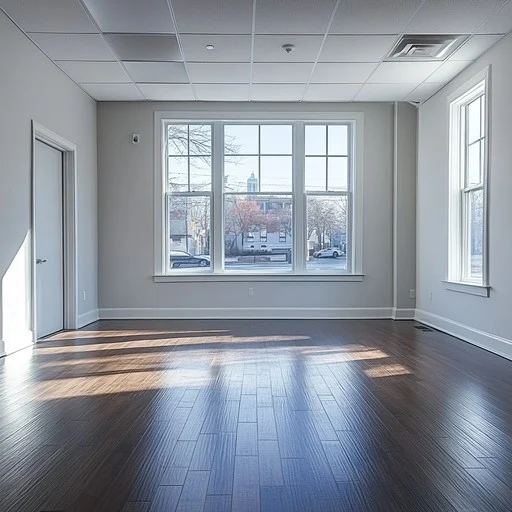
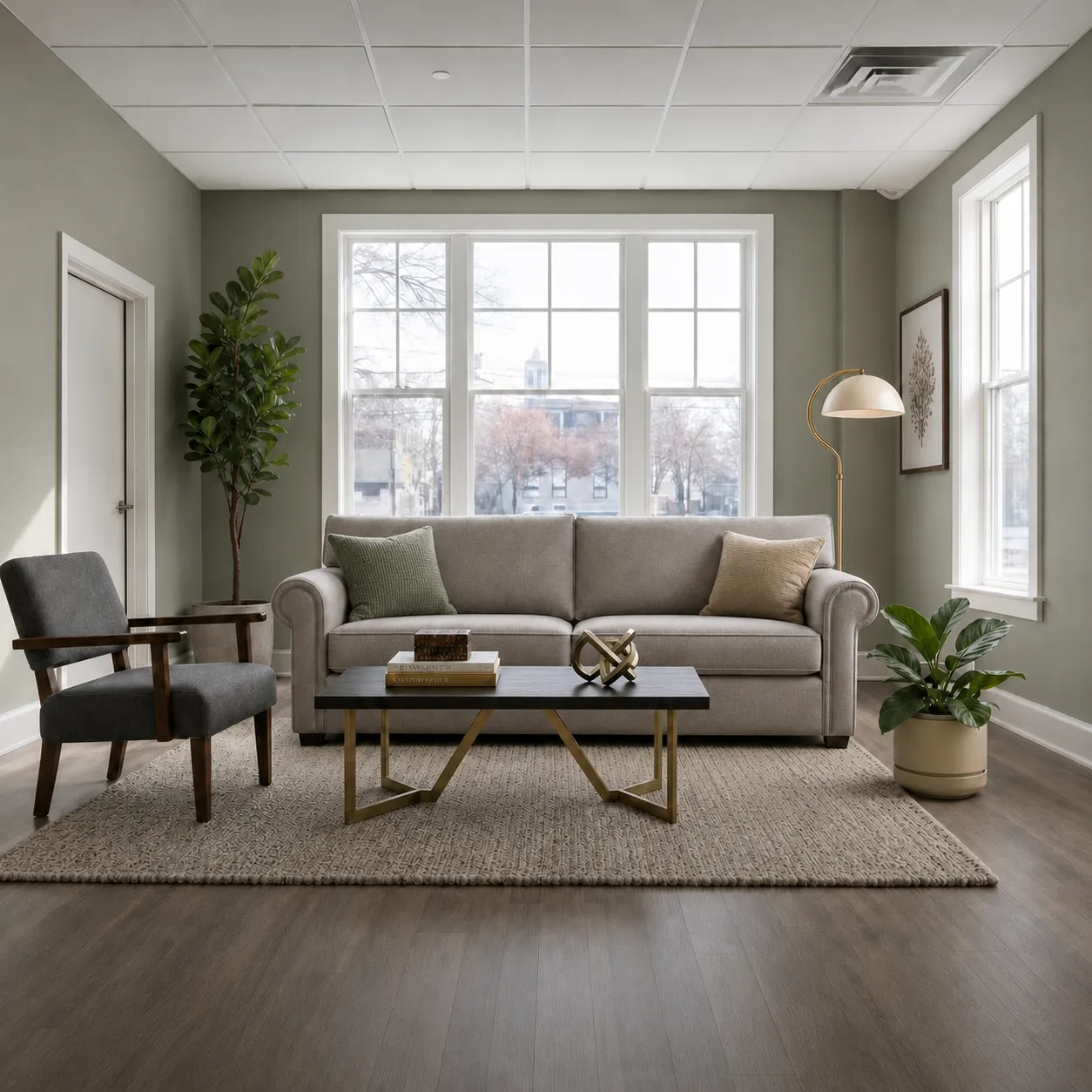
See your own room redesigned in seconds
Upload a photo, pick a style, and shop the exact look. Free to start.
The make-the-most-of-what-you-have alternative
For every American who successfully buys in Abruzzo, there are many more who can't make the math work, wrong job, wrong life stage, wrong risk appetite. For that majority, the more practical move is making the home they already have feel better.
That's where airender comes in: upload a photo of any room, pick a style, and see a redesigned version complete with a shoppable furniture list at real prices. Whether you're in a rental you can't touch structurally or a home you're trying to make feel more considered without the plane ticket, seeing the best version of your actual space is where design improvement starts.
The bottom line
The $13,150 Italian house is real, and the country behind it is genuinely affordable for buyers with the right income structure and risk tolerance. Bulgaria is cheaper. Portugal is more established. Latvia is overlooked. All of them require cash, renovation budget, visa work, and patience. For those who can make the pieces fit, the math is compelling. For everyone else, the better investment might be the space you already have.