The 21st Century ROAD to Housing Act passed 358-32 in the House and 85-5 in the Senate. Here's what's in it for renters, first-time buyers, and current homeowners.
The House voted 358-32 to pass the 21st Century ROAD to Housing Act last week, a day after the Senate approved it 85-5. The margins are extraordinary for any legislation in the current environment, let alone housing policy. When Washington agrees this broadly on something, it's worth understanding what's actually in it.
What the bill is
The 21st Century ROAD to Housing Act is a bipartisan package that combines the House's Housing for the 21st Century Act with the Senate's ROAD to Housing Act, plus elements from more than 26 additional pieces of previously introduced legislation. It's the most significant federal housing action in decades, not a small tweak, but a broad structural intervention.
The core argument behind the bill: America has a supply problem. Not enough homes are being built, the approval process is slow and expensive, and the homes that do get built often aren't in the places people need to live. The bill attacks that problem from multiple angles.
What's in it for renters
More rental assistance, stronger protections. The bill lifts caps on the Rental Assistance Demonstration (RAD) program and expands tenant protections that come with those conversions.
Faster Housing Choice Voucher processing. Units that already meet standards for similar federal programs can skip redundant inspections, speeding up the time between approval and move-in.
Rent caps on repair-assisted properties. If a landlord accepts federal funding for home repairs, they must cap annual rent increases at 5% or the rate of inflation, whichever is lower, for at least three years after completion.
More funding for homelessness prevention. The Emergency Solutions Grant program gets more flexibility on spending caps, expanding emergency housing assistance reach.
What's in it for homebuyers
Institutional investor restrictions. The bill's headline provision: corporate investors owning 350 or more single-family homes cannot purchase additional ones. The intent is to reduce competition from institutional buyers who have crowded out individual buyers in entry-level markets across Phoenix, Atlanta, Charlotte, and beyond.
Small-dollar mortgage programs. New initiatives support mortgages under $100,000, a category that's nearly impossible to get today because lenders don't find them profitable. Expanding this could open rural and lower-cost markets to buyers currently priced out of the mortgage system.
Manufactured housing reforms. Removing the requirement that manufactured homes have a permanent steel chassis could cut $5,000 to $10,000 from construction costs and unlock design possibilities, including second stories and basements, that the old rule prohibited.
Grant programs for whole-home repairs. Competitive grants for property improvements, targeted at owners who can't afford critical repairs, to keep existing affordable housing stock from deteriorating out of the market.
Supply incentives for local governments
The bill earmarks $200 million annually in competitive grants to local governments that actually increase housing supply. Cities that streamline permitting and zoning get more federal dollars. Those that don't lose ground to competitors that do. Streamlined environmental reviews will also reduce one of the most common bottlenecks in new residential construction.
The Trump question
Despite passing with veto-proof margins, Trump's signing was reportedly canceled after the bill was passed. Congress could override a veto with the margins it already has.
"The bill will have a positive impact on both the supply and cost of housing — but it will take time for its effects to be felt," experts told TIME magazine.
What this means for homeowners right now
The direct effects are further out than the headlines suggest. Supply increases take years to move prices. Institutional investor restrictions affect the buying market, not the existing one.
The more immediate implication is psychological: the housing supply problem is being taken seriously at the federal level, and the political will is clearly there. For renters and first-time buyers, the timeline for visible impact is 2–5 years at the earliest.
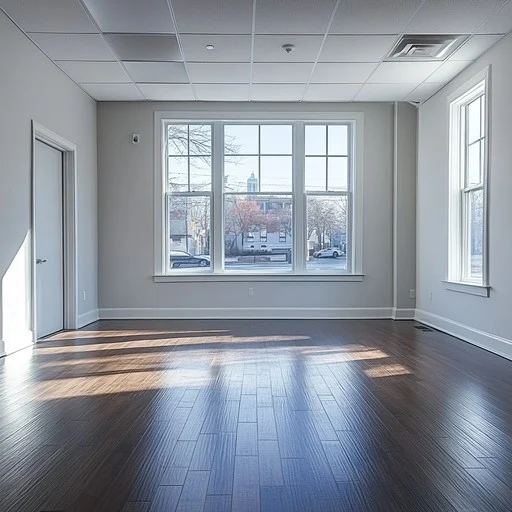

See your own room redesigned in seconds
Upload a photo, pick a style, and shop the exact look. Free to start.
What doesn't take years: deciding to invest in the space you're in right now. Whether you're a renter waiting for the market to shift or a homeowner building equity, a better-designed home improves how you live in it today. airender lets you upload a photo of your room, see what it could look like redesigned, and get a shoppable list of what it would take, no waiting on Congress.
The bottom line
The 21st Century ROAD to Housing Act passed with overwhelming bipartisan support and represents the most significant federal housing legislation in decades. It restricts corporate buyers, expands rental assistance, supports manufactured housing, and incentivizes local supply growth. The effects will be real, but gradual. For the housing crisis to end, this bill needs to be a beginning, not a finish line.