Core AI's HomeGPT pulled 130,000 active users and 380,000 AI design tasks in beta, with paid conversion up 210%. The numbers reveal what consumers actually want from AI home design tools.
Core AI Holdings, a publicly traded company, launched HomeGPT on June 11, 2026 with an unusual disclosure: the app had already run a three-month beta with real users, and the numbers were striking. Active users grew from around 2,000 to more than 130,000 across North America, Japan, and South Korea. Users generated over 380,000 AI design tasks. Paid conversion rose approximately 210% from early product versions. The app went to the App Store and Google Play with proof that people were willing to use and pay for what it was doing.
What happened
What HomeGPT does is broadly what the category promises: upload a photo of a room, exterior, garden, or even a rough sketch, and get back a rendered redesign you can refine with natural language. The underlying technology focuses on what Core AI calls spatial intelligence, a structure-preservation engine that keeps room proportions intact, multimodal models that process photos and text simultaneously, and cloud orchestration that manages the compute load. The result is redesigns that show you the same room rearranged, not a generic render of a generic room.
The beta ran without extensive marketing across three geographically and culturally distinct markets. North American, Japanese, and South Korean users were all using the tool to solve the same core problem: what could this room look like if it were different?
Why it matters
The 130,000-user, 380,000-task combination reveals something specific: once people can actually use an AI design tool well, they use it repeatedly. The ratio of tasks to users is nearly three per person, suggesting these are not one-time curiosity checks. Users upload a room, generate a redesign, and then generate more.
The 210% conversion increase is the more significant data point. Early versions of the product were not persuasive enough to get people to pay, and something changed. According to Core AI CEO Aitan Zacharin, the shift was in how the tool handled spatial realism. "HomeGPT's growth shows that AI home design is no longer just an image-generation novelty." The implication is that the first generation of AI design tools lost people because the outputs were beautiful but unrecognizable as the rooms people actually lived in. Structure preservation and proportional accuracy changed that.
What this means for homeowners
The HomeGPT data maps directly to what to look for when choosing an AI home design tool. The tools that convert are the ones that preserve your room, not just generate a mood board. If the AI renders a living room that happens to be the right style but does not actually look like your walls, your layout, or your light, the output tells you nothing useful about whether the new sofa or the different paint color will work.
The spatial fidelity test is the only one that matters. Can the tool take a photo of your actual room, in your actual light, with your actual furniture, and show you a recognizable version of that same room improved? That is the feature the beta conversion data pointed to.
Cross-market growth signals real demand, not viral novelty. HomeGPT's 130,000 users came from North America, Japan, and South Korea, markets with very different design sensibilities, housing sizes, and cultural relationships to the home. That spread rules out the possibility that the product was riding a specific trend in a single market.
The "generate more" behavior is the signal. Three tasks per user is not someone trying a product once out of curiosity. It is someone who found the tool useful enough to come back to it for different rooms, different styles, or different decisions.
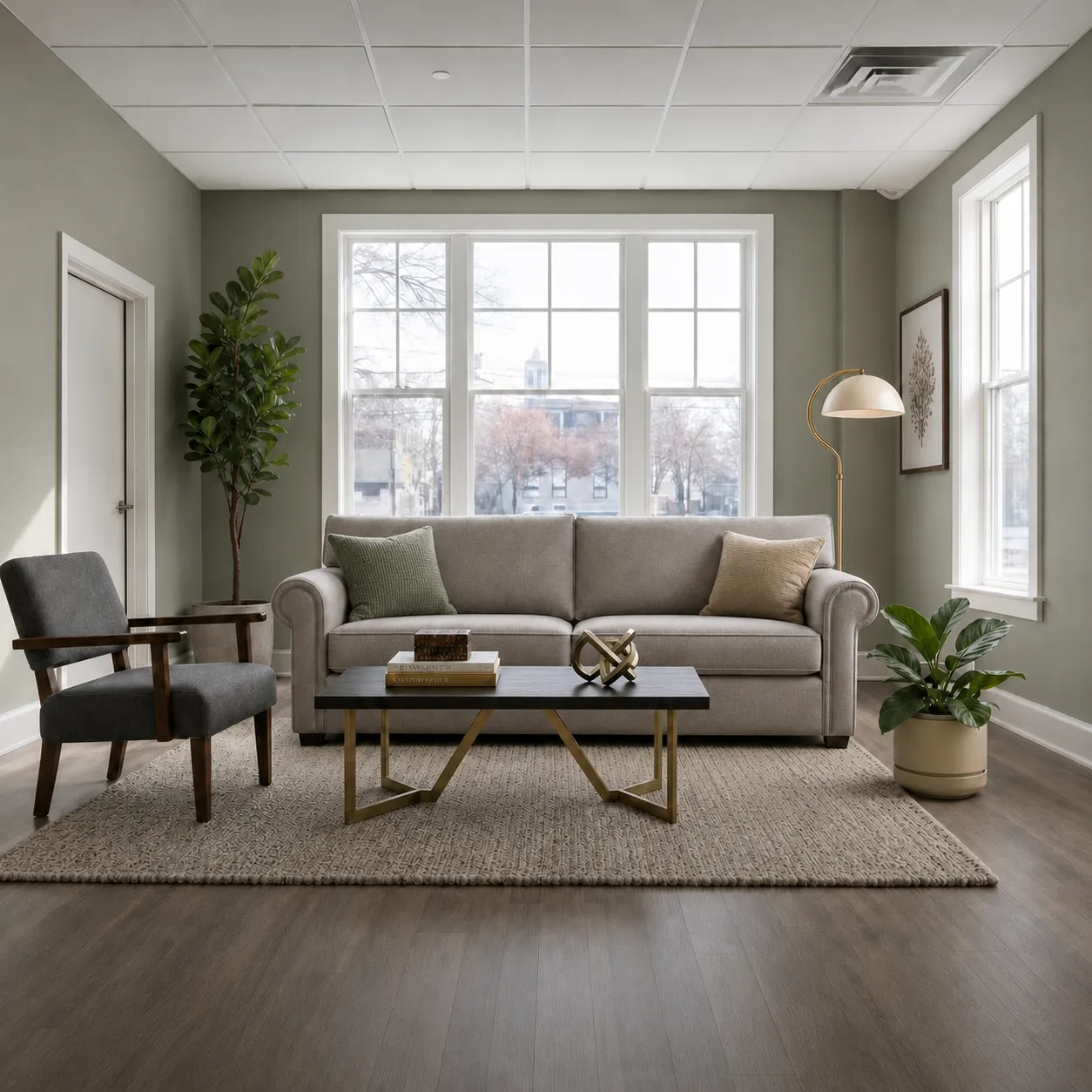
See your own room redesigned in seconds
Upload a photo, pick a style, and shop the exact look. Free to start.
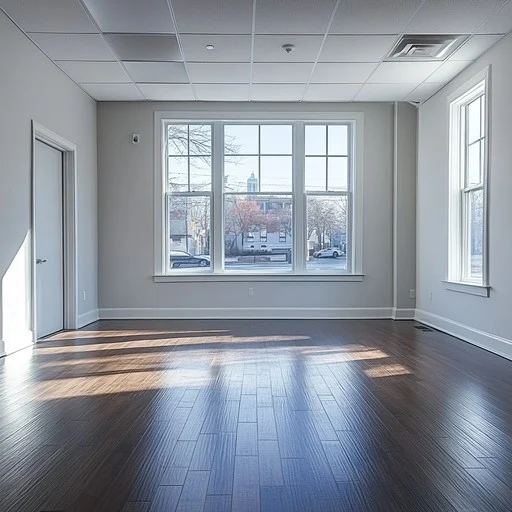
The test for any AI room design tool is whether it can take a photo of your actual room and show you a version of that same room improved. Not a beautiful stranger's house. Your house.
airender takes a photo of your room, redesigns it in a style you choose, and returns a shoppable list of the real furniture and decor that create that look, with prices and buy links for retailers in your region. The output is your room, not a template.
"HomeGPT's growth shows that AI home design is no longer just an image-generation novelty." -- Aitan Zacharin, CEO, Core AI Holdings, on the HomeGPT launch.
The bottom line
Core AI's HomeGPT pulled 130,000 users and 380,000 design tasks in beta without extensive marketing, and paid conversion rose 210% as spatial fidelity improved. The data confirms what the category's best performers already know: AI home design works when the output is recognizably your room, not a polished render of someone else's. That is the feature that turns a novelty into something people pay for.