Mirrors, light tones, the right rug, and smart layout can make a small living room feel far bigger. Here are the designer tricks that actually work.
You do not need to knock down a wall to make a cramped living room breathe. As home publications roll out their 2026 small-space guides, designers keep returning to the same handful of moves, and most cost little or nothing. The core idea: a small room does not have to feel small if you manage light, color, scale, and sightlines correctly. Here is what the pros say actually works.
What the designers recommend
Use mirrors as space-expanders. This is the most-repeated trick for a reason. A mirror placed on the wall opposite or adjacent to a window bounces natural light deep into the room, and well-placed mirrors can boost a space's perceived depth by as much as 60% in smaller rooms. For 2026, sculptural arch, sunburst, and organic-shaped mirrors are popular because they double as statement art.
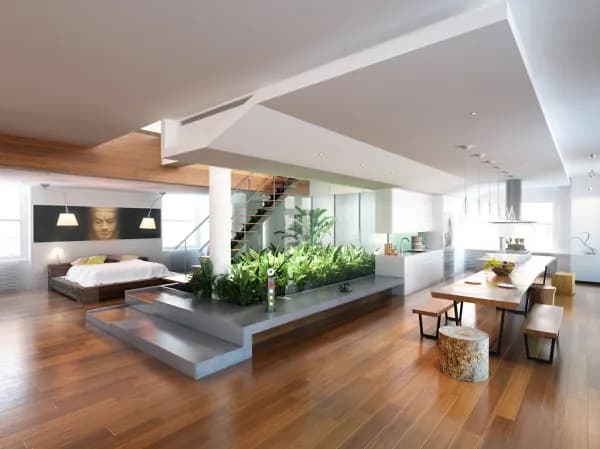
Keep the palette light, but commit to the layout. Soft white, beige, and pastel walls naturally open a room up, and pairing a mirror with a light wall amplifies the effect. Just as important is furniture scale: pieces should be proportionate to the room, not miniature. Counterintuitively, a few correctly sized pieces read calmer and more spacious than many tiny ones.
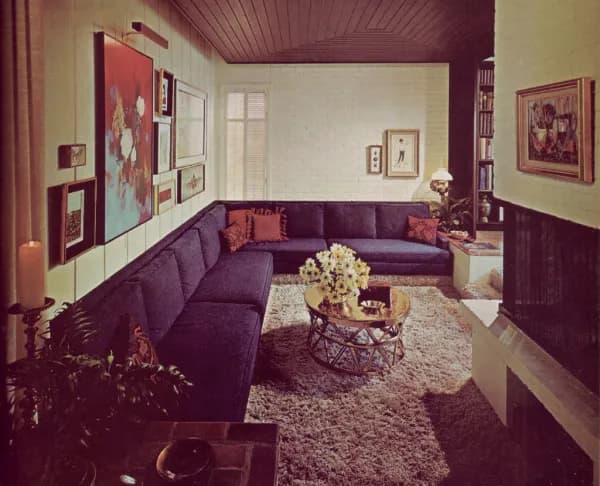
Anchor the room with one big rug. A common mistake in small rooms is a too-small rug that fragments the space. Designers advise a rug large enough to sit under all the main furniture, or at minimum the front legs of the sofa and chairs, to pull everything into a single, unified zone that feels more grounded.
Protect circulation. In narrow rooms especially, flow is everything. If someone has to angle their body to walk through, the room will always feel tight, no matter how it is decorated. Leave clear paths.
Draw the eye upward. Even compact rooms usually have more vertical room than you think. Floor-to-ceiling drapes and tall bookcases create an illusion of height. Layering light at three levels, overhead, mid-level lamps, and low accent lighting, creates pools of warmth that make the space feel larger.
Why it matters
Small living rooms are the rule, not the exception, for renters and city dwellers, and the instinct to "just buy smaller furniture" often backfires. These tricks reframe the problem: it is rarely about square footage and almost always about light, scale, and sightlines. That is good news, because every fix on this list is a styling decision rather than a renovation.
It also explains why so many small-space makeovers go wrong. The pieces themselves may be fine; it is the rug that is too small, the sofa that blocks the walkway, or the dark wall that swallows the light. You usually cannot tell until everything is already in the room.
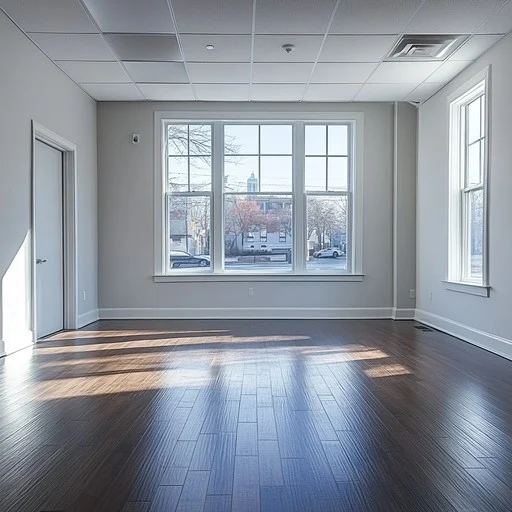
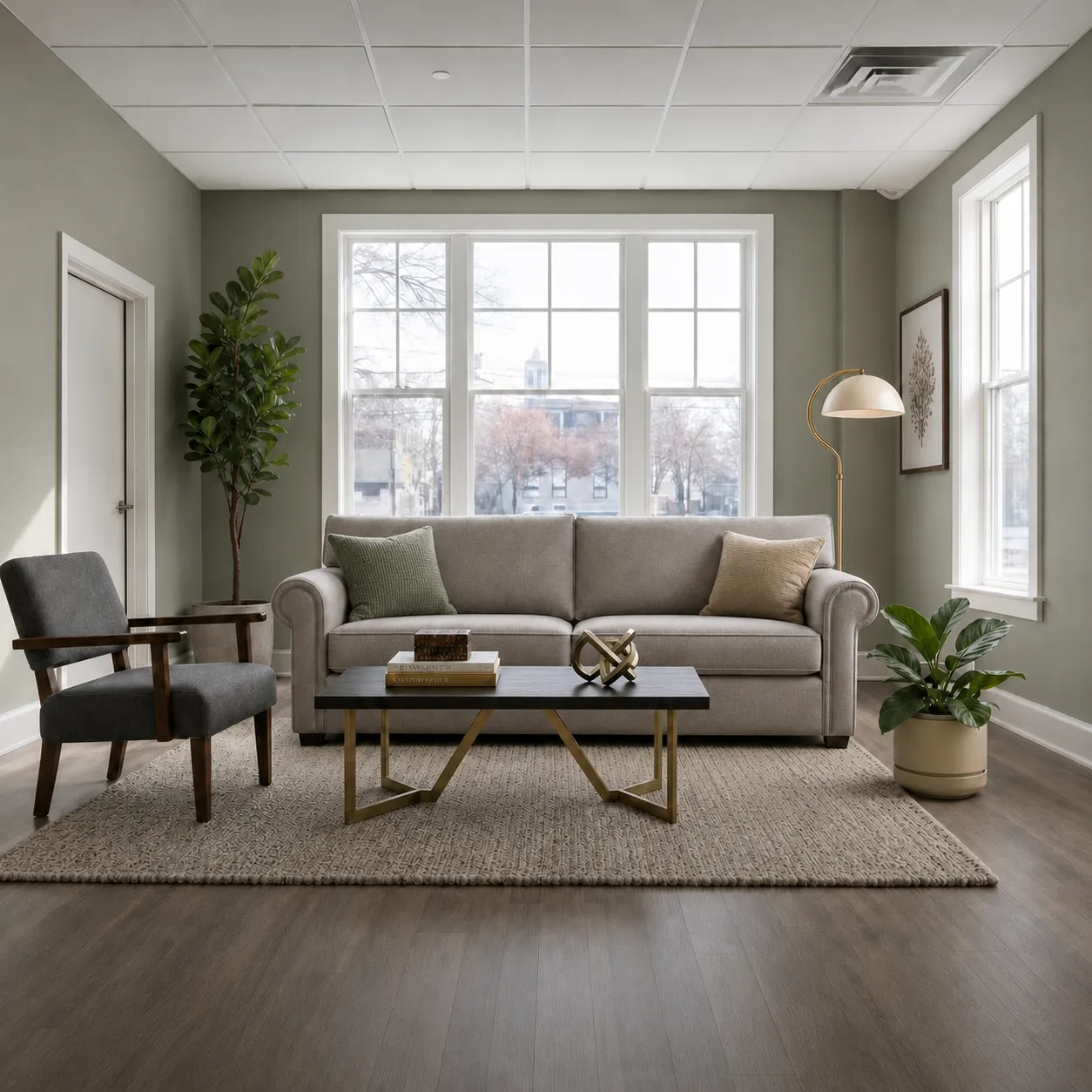
See your own room redesigned in seconds
Upload a photo, pick a style, and shop the exact look. Free to start.
See the layout before you buy
The frustrating part is that most of these calls, rug size, furniture scale, where the mirror goes, are hard to judge before you have committed. Buying a sofa that turns out to be too big for a small room is an expensive lesson.
Seeing the layout first removes the guesswork. With airender, you can upload a photo of your small living room and preview it restyled with lighter tones, properly scaled furniture, and a layout that keeps walkways clear, then shop the real pieces that fit. For a small room where one oversized purchase can throw off the whole space, testing the look before you buy is the difference between a room that breathes and one that feels even more cramped.
"When furniture is proportionate to the room, not miniature, the space feels calmer and more balanced," according to 2026 small living room design guidance.
The bottom line
Making a small living room feel bigger is less about size and more about light, scale, and flow: hang a mirror across from the window, keep the palette soft, anchor the room with one generous rug, protect your walkways, and lead the eye upward. None of it requires construction. The smartest first step is to see your actual room reworked along these lines before you move a single piece of furniture.