Cassandra Tresl and Alex Ninman left New York City and bought a 1,076 sq ft home in Italy's Abruzzo region for €11,500 — then spent $18,000 more to make it livable. Their story is going viral for good reason.
In February 2022, Cassandra Tresl and Alex Ninman closed on a house in Italy's Abruzzo region for €11,500 — about $13,150. By July, they had moved in. Their total cost, including about $18,000 in renovations, came to roughly $31,000. Their NYC rent had probably cost more than that in a single year.
The couple's story, republished this week by CNBC, is going viral again — and for good reason. It lands at a moment when American housing costs feel permanently out of reach for a large share of the population.
Who they are and what they left behind
Tresl worked in operations at a tech startup in New York. Ninman was a butcher at Whole Foods. Neither had a particularly unusual income. They moved to Europe in 2019, initially with the assumption they might return, and then the math stopped working.
"If I had a kid, I would go back to the States," Tresl said, "but I realized how much more expensive it would be."
The childcare costs, groceries, and housing prices they encountered during visits back made returning feel increasingly implausible. Remote work flexibility made staying in Italy increasingly viable.
The house itself
The property is a two-floor, two-bedroom home just under 1,076 square feet, with a third bedroom in the basement and an attic. It sits in a small town in the Abruzzo region, roughly three hours outside Rome, in a part of Italy that the travel industry describes as one of the country's last genuinely undiscovered regions.
The purchase was a cash deal. The renovation cost another ~$18,000. The total: approximately $31,000 for a home they own outright.
Their current monthly expenses, groceries (~€480), utilities, internet, activities, total about $1,246.
"The mentality here in Italy is so different because work really is not the most important thing." — Cassandra Tresl
Why the story keeps going viral
The Italy story isn't new, versions of it have circulated for years. But it keeps coming back because housing affordability in the U.S. keeps getting worse, not better. The gap between what American wages earn and what American housing costs has widened to the point where "leave the country" has shifted from an extreme option to a genuinely rational calculation for some households.
Italy's one-euro home schemes, which attract foreign buyers to revitalize depopulated villages, have placed thousands of homes across Sicily, Sardinia, and southern Italy for essentially nothing — though renovation requirements and hidden costs apply. Outside those schemes, Abruzzo has rural homes under $80,000 in some areas. The couple's $13,150 deal reflects the real lower end of that market.
The catch
The $13,000 purchase price is real. The $18,000 renovation is real. What the headline doesn't always include:
Renovations aren't optional. Most of these cheap homes require substantial work before they're livable — electrical, plumbing, structural.
Legal and administrative costs add several thousand dollars to any Italian property purchase.
Remote work eligibility isn't universal. This path is much more accessible to people with location-independent income.
None of this makes the story false. It makes it more specific. The couple who pulled this off had the right income structure, the right risk tolerance, and the right personal circumstances.
See your own room redesigned in seconds
Upload a photo, pick a style, and shop the exact look. Free to start.
What this means for homeowners who aren't moving to Abruzzo
The more useful frame for most readers isn't "should I buy a house in Italy" — it's "why does a 1,076 square foot two-bedroom in southern Italy feel more achievable than anything in my city?"
That question pushes back on the assumption that you need more space or more money to have a home that works. What made the Abruzzo house work after renovation was intentional design decisions made on a tight budget, the same challenge any homeowner or renter faces.
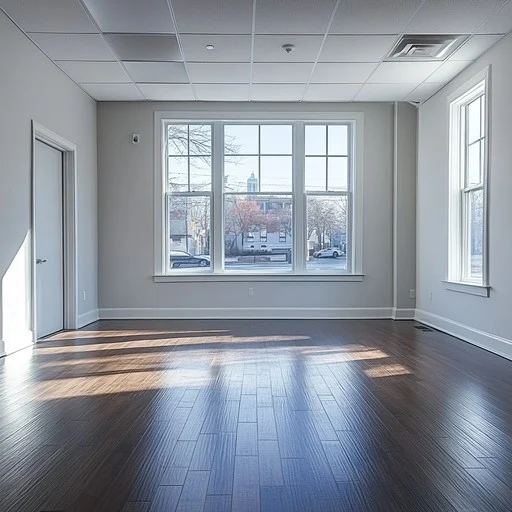
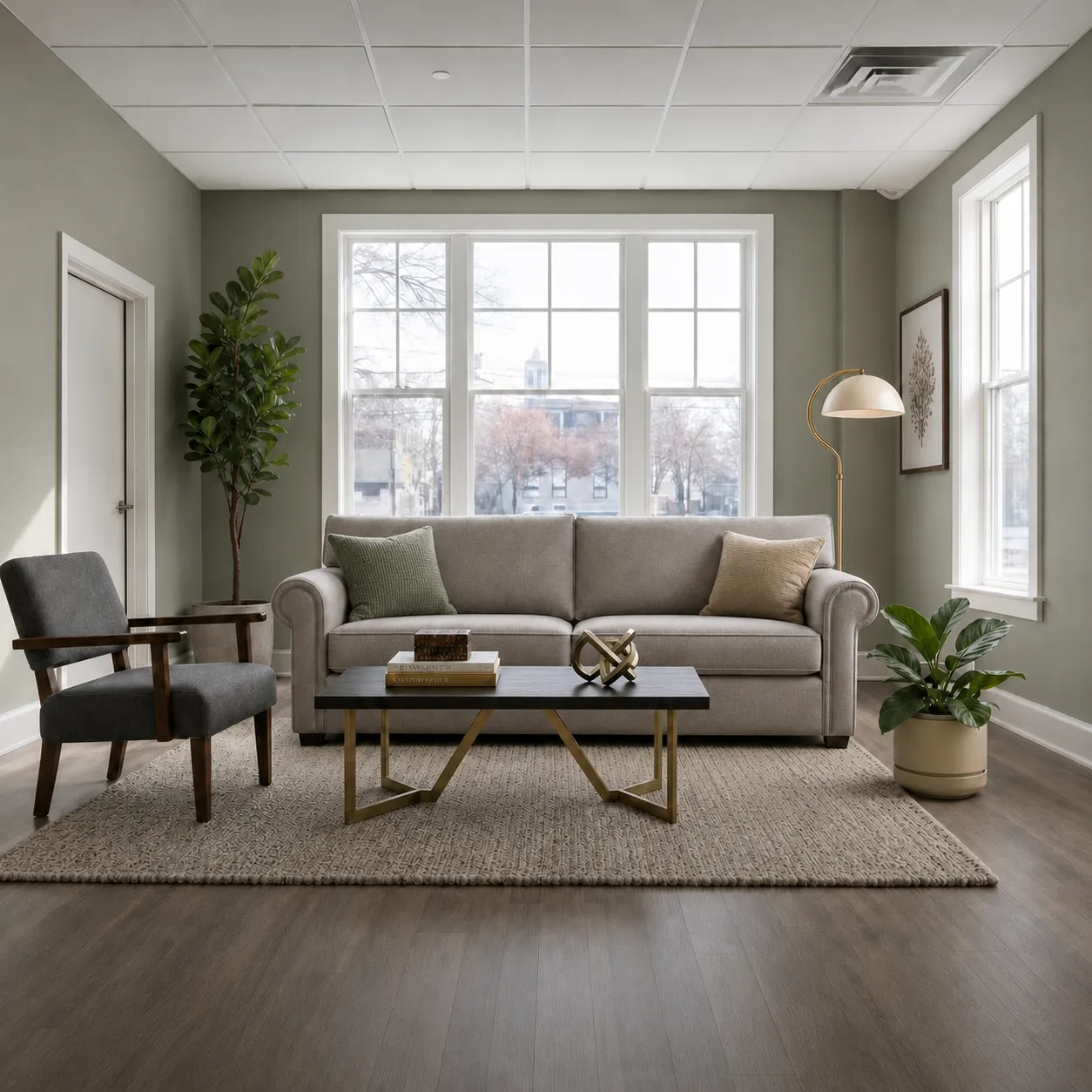
With airender, you can upload a photo of your actual room and preview a redesigned version — different layout, different palette, different furniture — so you see exactly what's possible in the space you already have before spending anything. You don't have to move to Italy to have a home that feels considered.
The bottom line
Cassandra Tresl and Alex Ninman paid $13,150 for a house, $18,000 to make it livable, and now spend $1,246 a month in one of Italy's most affordable regions. The story is real, the math is real, and the circumstances are specific. Whether it's your path or not, it points at a real problem: the home you want and the home you can afford have drifted too far apart. Closing that gap, wherever you live, starts with knowing what's actually possible in the space you have.