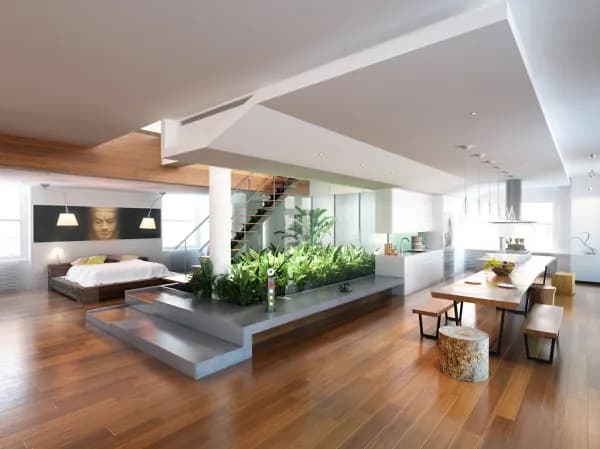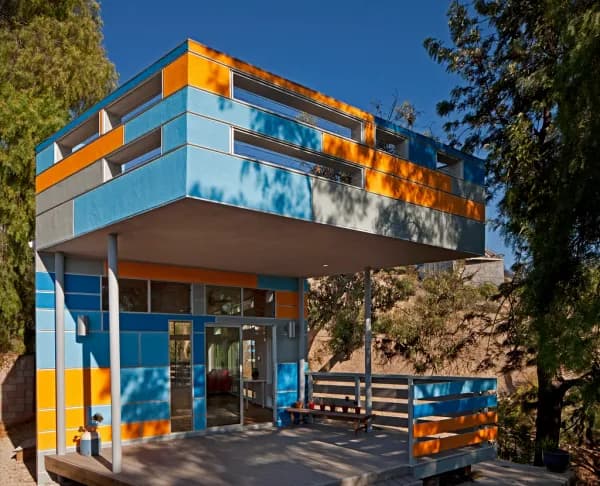
Faded terracotta, rich chocolate, eggplant, and soft yellow are the warm tones taking over in 2026. Here are the colors designers are betting on, and how to see them in your room first.
Beige is finally being shown the door. As 2026 hits its stride, the paint houses and designers everyone watches are coalescing around a warmer, moodier, far more personal palette, from faded terracotta to rich chocolate brown to soft buttery yellow. If your walls still read "safe greige," this is the year that starts to feel dated. Here is what is replacing it, and how to know it will work before you open a can.
What's replacing beige
Farrow & Ball, one of the most-watched names in paint, laid out its 2026 predictions through brand ambassador Patrick O'Donnell, and the through-line is unmistakable warmth.
Faded terracotta. The standout call. "Faded soft terracottas, verging on blushy-pink apricots, are going to be huge," O'Donnell told Homes & Gardens, pointing to shades like Setting Plaster and Templeton Pink as a gentler, warmer alternative to cool grays and beiges. It works as a soft, flattering backdrop in almost any room.
Rich chocolate brown. Deep, cocooning browns continue to dominate, with chestnut and tobacco tones in the mix and shades like Tanners Brown leading the way. It is the moody, enveloping neutral that cool gray never managed to be.
Eggplant and soft yellow. Saturated eggplant is turning up as an intentional, grown-up accent, while soft, buttery yellows, carrying 2025's butter-yellow moment forward, bring warmth without going loud.
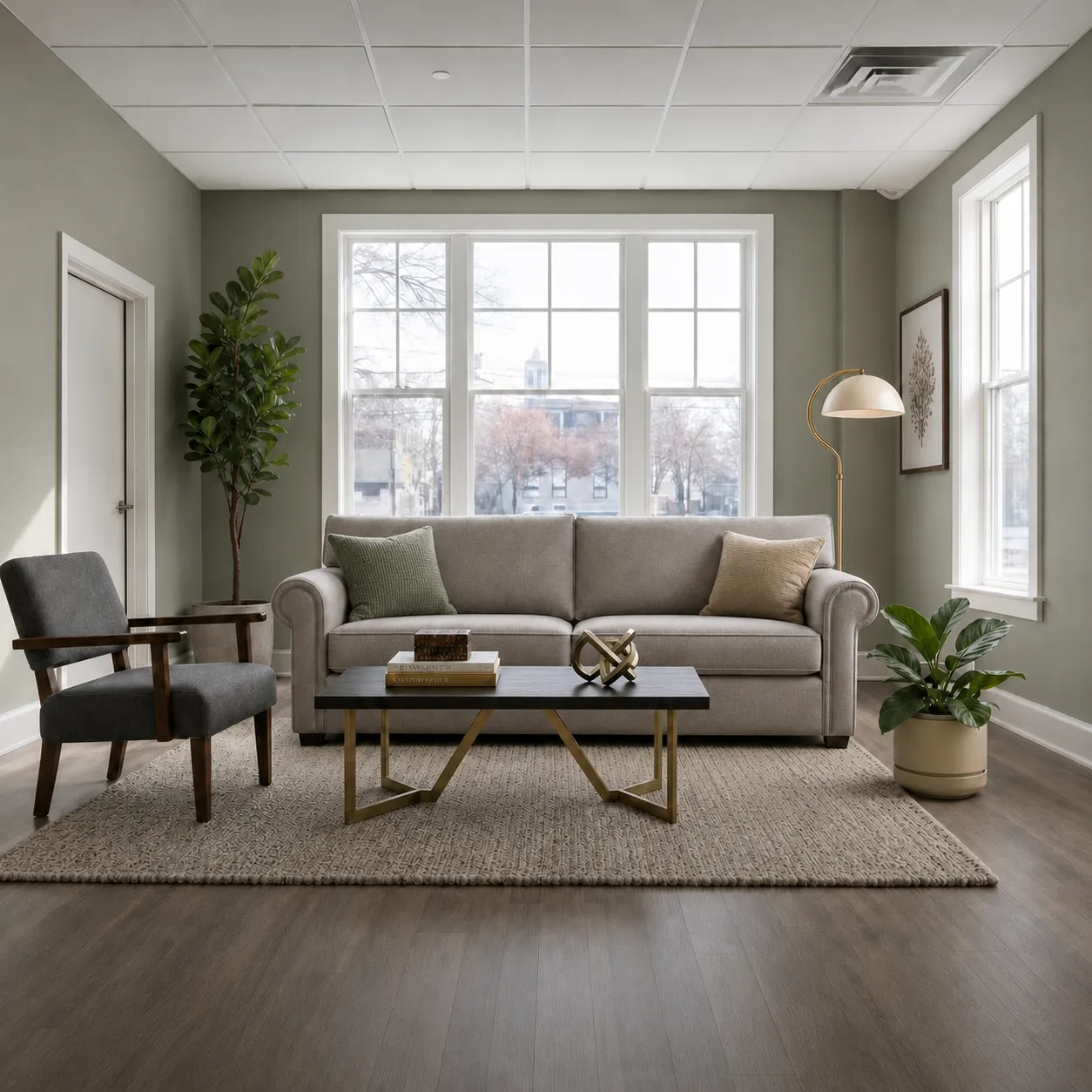
Sage and deeper greens. Still in favor because they are neutral enough to carry a whole wall while staying calm and grounded.
Across the wider design press the message is the same: overly subdued, noncommittal neutrals are taking a back seat, and designers are reaching for tones that feel lived-in, mineral, and rooted in the natural world, what O'Donnell sums up as "understated vibrancy and comforting richness."
Why it matters
Color is the highest-impact, lowest-cost change you can make to a room, and also the easiest to get wrong. A chip that looks perfect under hardware-store lights can turn muddy or cold once it is on your own walls, in your own light, next to your own furniture. That gap between the swatch and the finished room is exactly where expensive repaints happen.
It also marks a real mood shift. After a decade of cool, pared-back minimalism, people want their homes to feel warm and personal. The "correct" wall color in 2026 is no longer a single safe neutral, it is a tone with some depth and character.
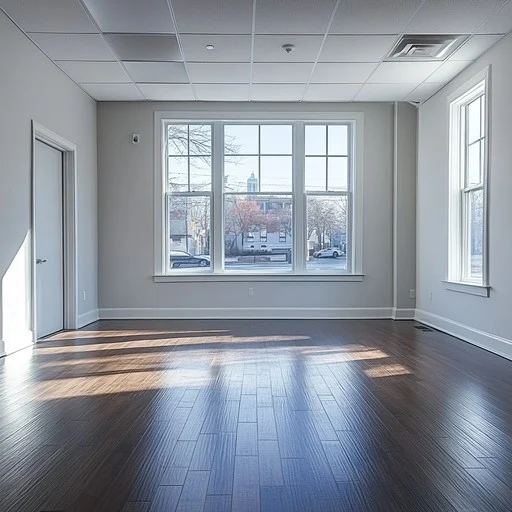
See your own room redesigned in seconds
Upload a photo, pick a style, and shop the exact look. Free to start.
How to try the warm palette without the risk
The hard part of acting on a forecast like this is committing before you can see the result. A chip of "faded terracotta" tells you almost nothing about how it will read across your actual living room at 6pm.
That is exactly what airender is built for: upload a photo of your real room and see it restyled in one of these warm 2026 tones, terracotta in the bedroom, chocolate on an accent wall, soft yellow in the kitchen, before you buy a single can. Then shop the real, in-stock furniture and decor that make the new palette sing, with actual products and prices for your region. You decide based on the finished room, not a guess.
"Faded soft terracottas, verging on blushy-pink apricots, are going to be huge." — Patrick O'Donnell, Farrow & Ball brand ambassador, to Homes & Gardens.
The bottom line
2026's palette rewards warmth and confidence: faded terracotta, rich chocolate, eggplant, and soft yellow are replacing the beige and gray that defined the last decade. The smartest way to be bold without the risk is to see the color on your own walls first, then buy the room to match.