What this material is
How to render linen
Linen is the most versatile soft material in interior rendering — it works in Scandinavian, Japandi, Wabi-sabi, Mediterranean, Coastal, and contemporary interiors with almost no exception. It reads as natural, breathable, and slightly unfussy, and its visible weave gives renders the kind of close-in texture that smooth fabrics like cotton sateen can't provide.
For AI rendering, two cues matter most: weave and rumpling. Real linen has a visible warp-and-weft structure that catches light slightly differently from cotton, and it wrinkles in soft loose folds rather than crisp sharp creases. 'Natural linen with visible weave' and 'gentle rumpled folds' in the prompt produce dramatically more authentic results than just 'linen'. Smooth, flat-pressed linen reads as cotton or polyester and loses the entire point.
Color range is broad. Natural undyed linen runs through bone, oat, sand, and warm gray. Dyed linen comes in nearly every color but reads best in muted earth tones (sage, dusty blue, soft pink) and grounded darks (charcoal, navy, deep olive). Avoid bright saturated colors — they fight linen's inherent muted character.
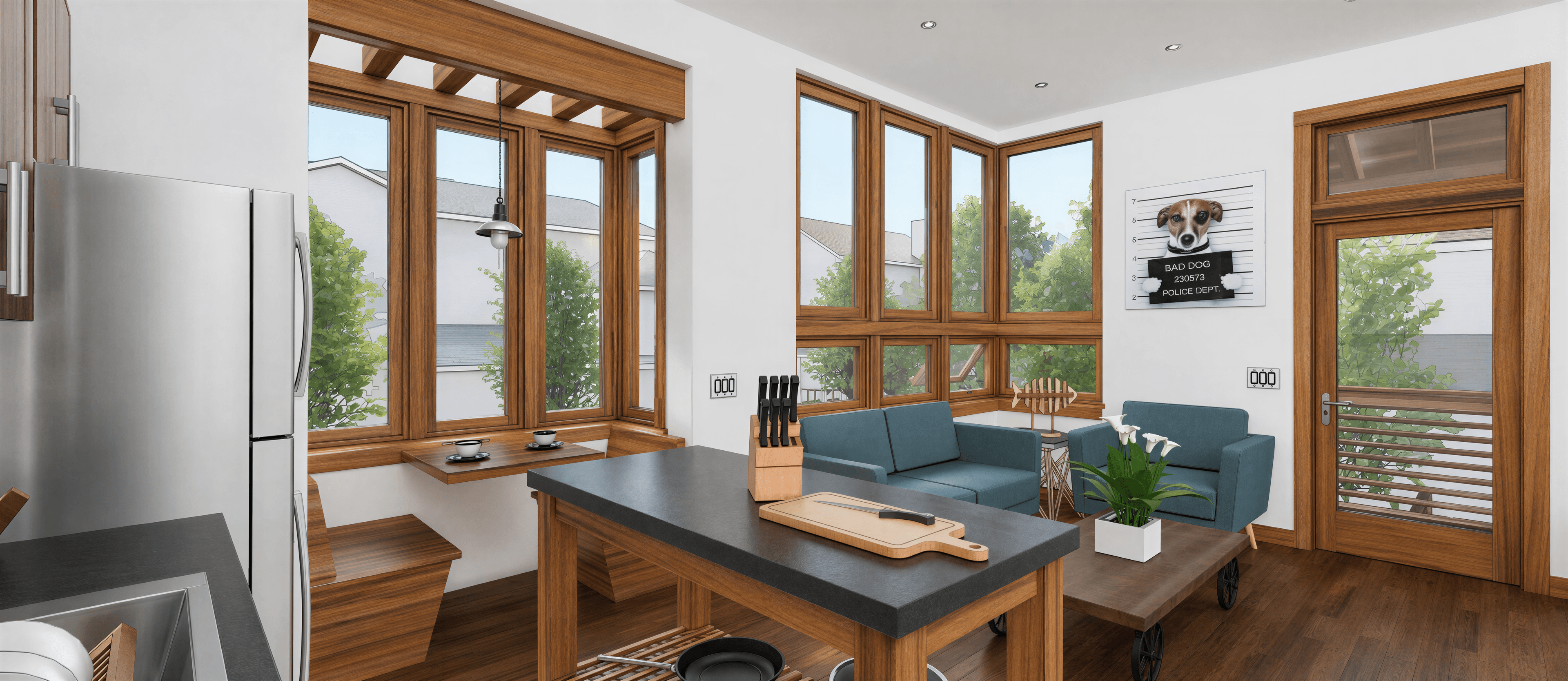
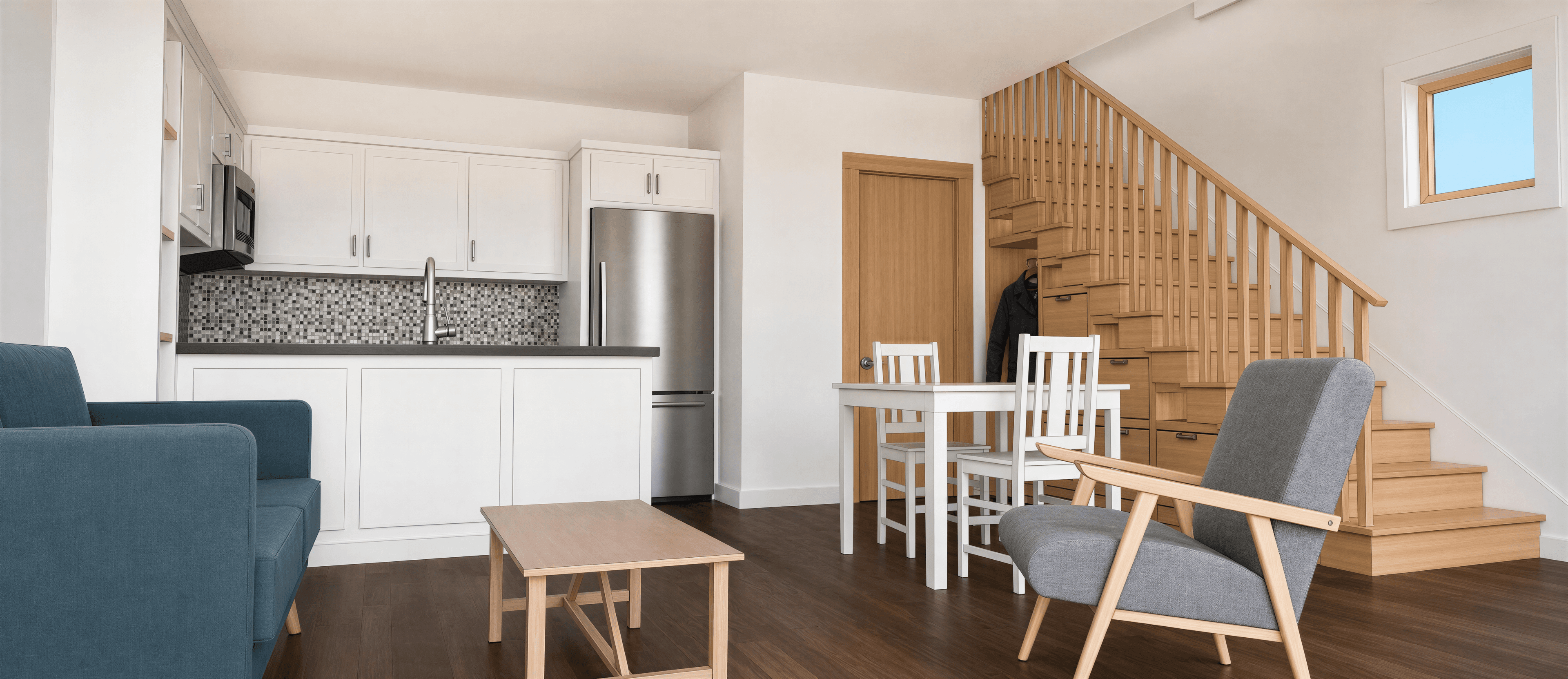
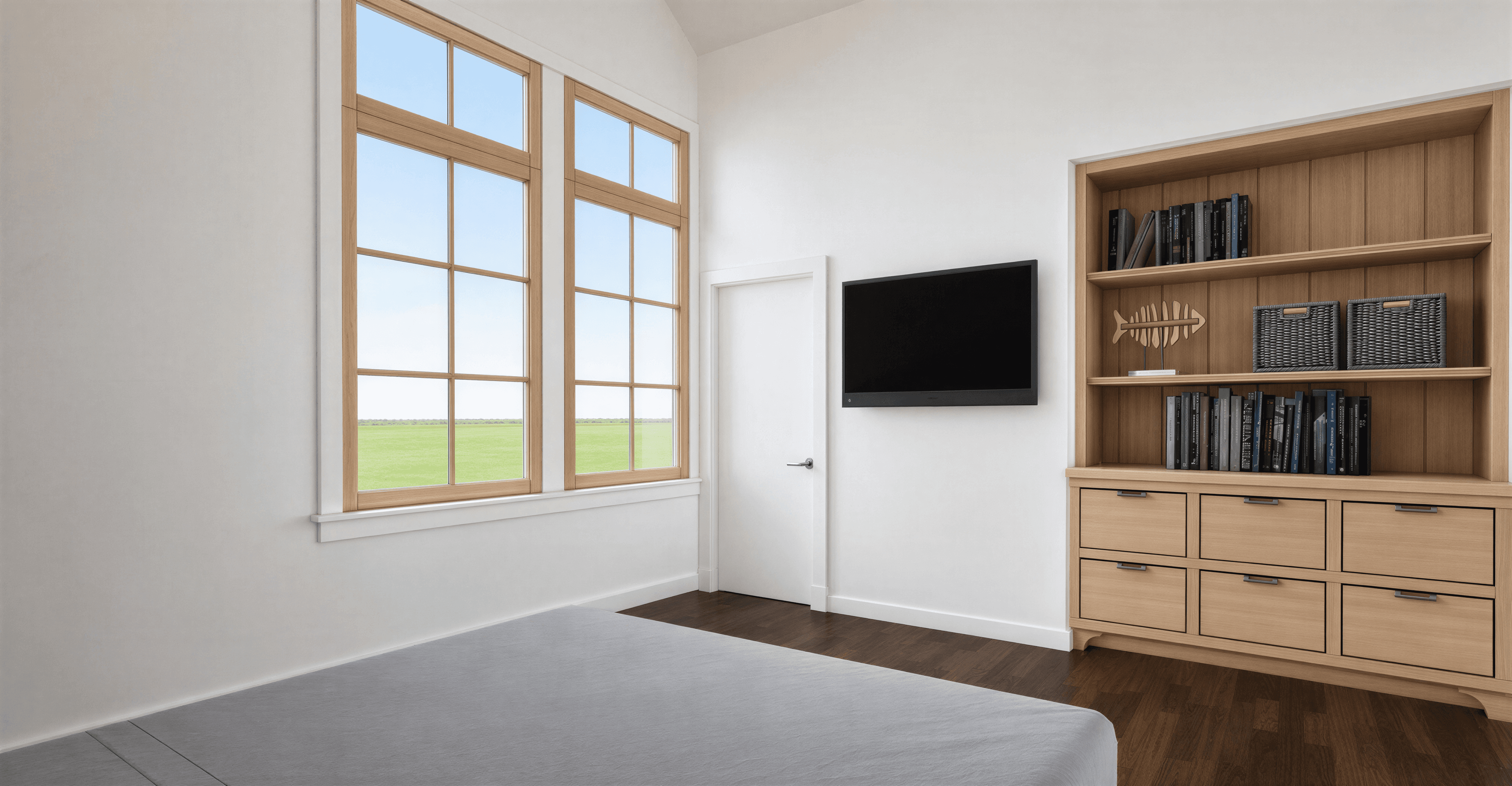
Pairs with almost anything but especially natural materials: wood, ceramic, stone, wool, leather. As upholstery it suits low Scandinavian or Japandi sofas with rumpled slipcovers. As drapery it works in any style — a single linen panel pulled back from a window is a universal cue for relaxed warmth. As bedding it's the signature for Wabi-sabi and Coastal bedrooms.
Prompt syntax
Add this phrase to your render prompt
Use this exact wording as part of your prompt to push the AI toward the correct material reading. Combine with a style direction and a lighting condition for a full prompt.
Linen syntax
Paste into the prompt field in airender, or use as a starting point and tweak the details.
Color variations
Typical linen tones
Click any swatch to copy the hex. Use these as reference points in your design tool or call out a specific tone in your prompt.
FAQ
Common questions
Frequently Asked
Questions
How do I get the linen weave to show up in renders?
Specify 'visible weave' or 'open weave linen' in the prompt. AI often defaults to smooth flat fabric. For close-up shots of slipcovers or pillows, add 'soft directional light raking across the weave' to emphasize the texture. For wide-room shots the weave reads less clearly but still adds material credibility.
Should the linen look rumpled or smooth?
Rumpled, almost always. Real linen wrinkles and that's a feature, not a flaw — smooth pressed linen reads as cotton or polyester. Specify 'rumpled', 'softly creased', or 'gentle folds' depending on the context. For high-end hospitality you can push toward 'lightly rumpled' to keep it more controlled.
Linen drapery vs upholstery — same prompt approach?
Mostly yes, but drapery wants 'soft natural drape with visible weave' while upholstery wants 'rumpled slipcover' or 'softly draped over the cushion'. Avoid 'tight upholstery' or 'tailored fit' which push the AI toward synthetic-fabric stiffness.