What this style is
How to read a scandinavian interior
Scandinavian style is the unhurried, livable end of the modernist family. It came out of postwar Denmark, Sweden, Norway, and Finland — places with short, gray winters where people had to design rooms that worked just as well on a cloudy Tuesday as on a midsummer afternoon. That constraint shows up in every decision: the woods are pale so they reflect what little light there is, the walls are painted soft white so they double the daylight, the furniture is low so it doesn't crowd the sightlines, and the textiles are thick because the heat needs help.
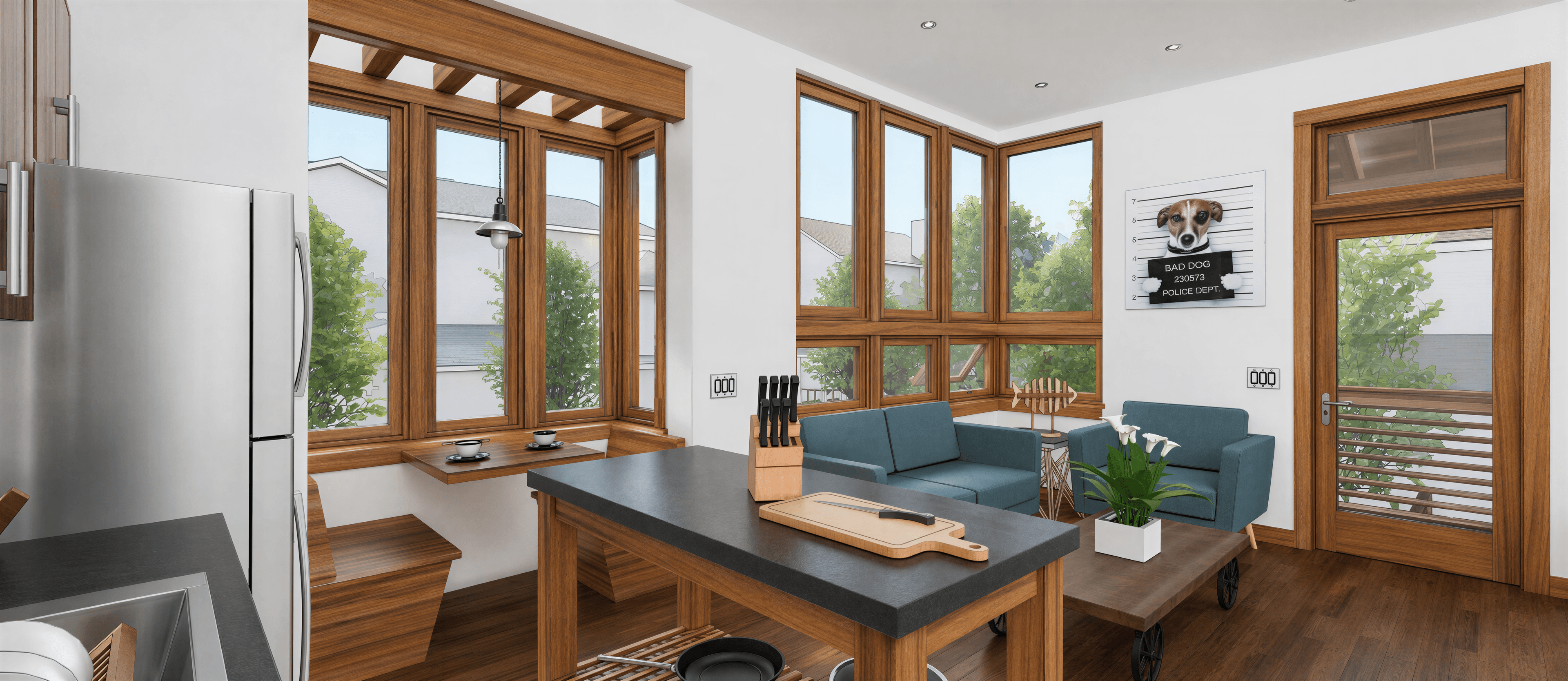
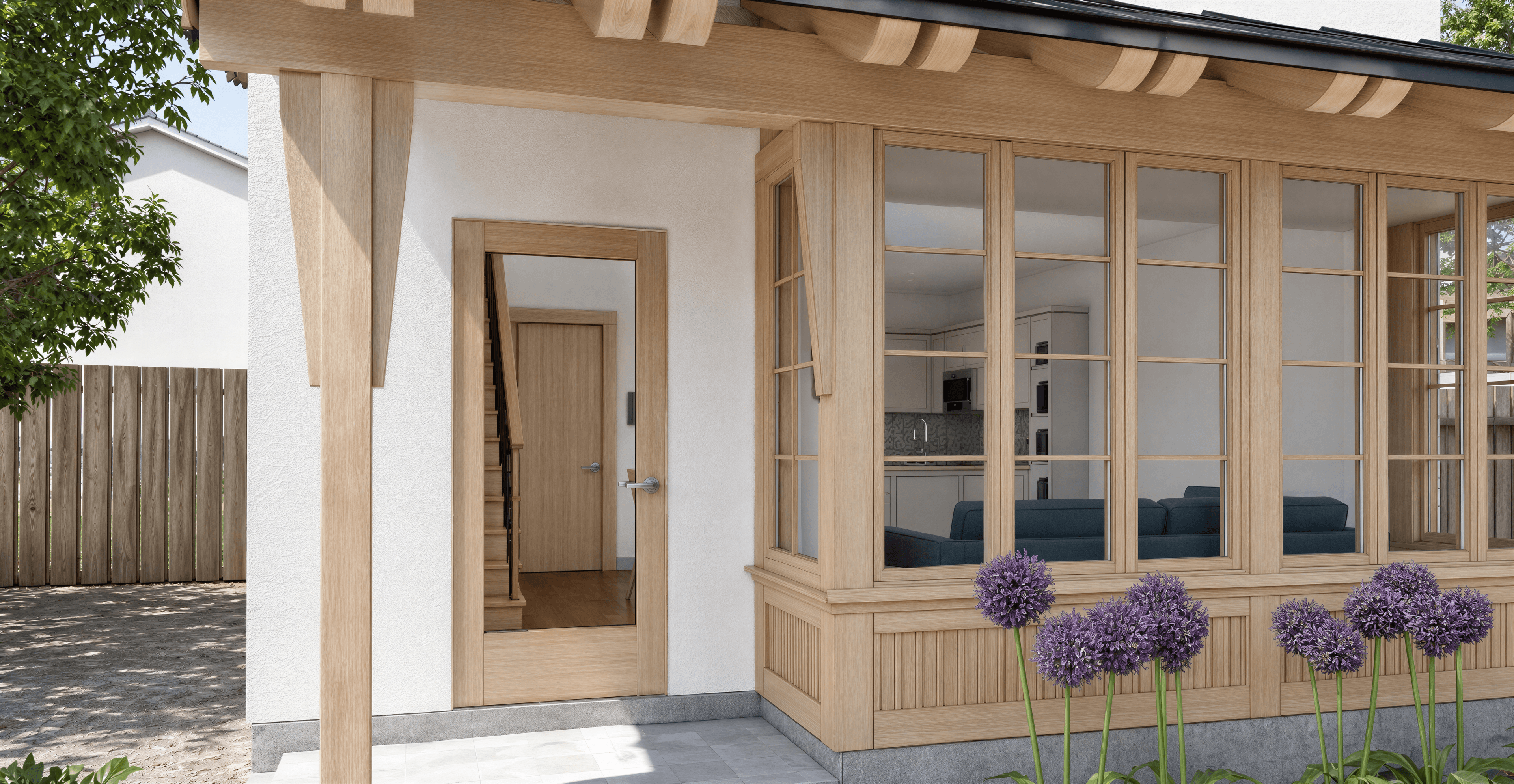
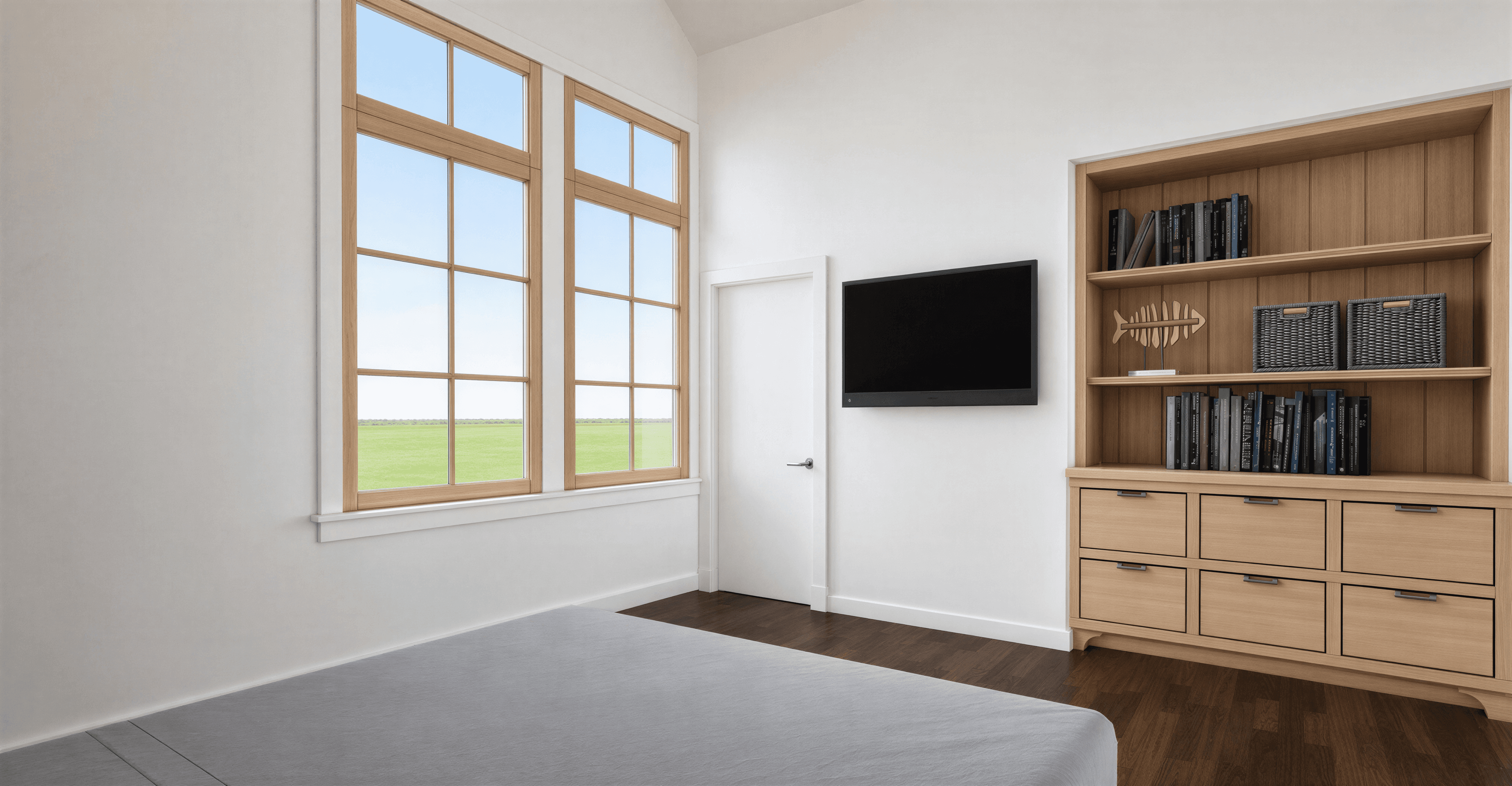
When you render a Scandinavian interior with airender, the geometry of your model does most of the work — but the materials and light direction make or break it. Floors should read as wide-plank light oak or whitewashed pine. Walls are matte, slightly chalky painted plaster, not glossy. Window frames are usually slim and painted the same color as the wall, so the window itself reads as a panel of light rather than a frame around a view. Add one or two textile pieces — a wool throw, a linen sofa, a sheepskin — to break up the hard surfaces.
Lighting is the second lever. Scandinavian rooms are almost never lit by a single ceiling fixture; they're built around indirect window light supplemented by warm, low-temperature lamps. In a render this means: soft directional daylight from one side (a north-facing window works beautifully because the light stays cool and even), no harsh shadows, and a couple of warm accent points to keep the room from feeling cold.
Where a lot of AI renders go wrong with Scandinavian is overdoing the minimalism — empty floors, empty walls, a single chair in the middle of nothing. The actual style is lived-in. There are books, plants, ceramic mugs, a folded throw. The minimalism is in the color discipline and material restraint, not in the population of the room.
Render prompt
Paste this into airender
A balanced starting point that captures the material, lighting, and mood for Scandinavian. Tweak the specific furniture, materials, or camera direction to match your model.
Scandinavian prompt
Paste into the prompt field in airender, or use as a starting point and tweak the details.
Key materials
Materials that define Scandinavian
These materials carry the look. Mention any of them by name in your prompt to push the render in the right direction.
Color palette
The Scandinavian palette
Click any swatch to copy the hex. Use these in your interior design tool or call them out in the prompt for a tighter match.
Lighting
Lighting that flatters Scandinavian
These lighting conditions match the mood of the style. In airender, pick the matching preset under render options.
FAQ
Common questions
Frequently Asked
Questions
What makes an AI render look Scandinavian?
Three things, in order: pale wood floors, painted-white walls with a slight matte texture, and soft directional daylight. If the prompt nails those three and avoids glossy surfaces, the style reads correctly even with a generic room layout.
What's the best lighting for Scandinavian interiors?
Soft morning or overcast lighting. The point is even, low-contrast illumination — Scandinavian design assumes muted daylight, so dramatic golden-hour shadows can fight the style. If you want warmth, layer a single warm lamp rather than changing the daylight source.
Should the room look empty?
No. The common mistake is reading Scandinavian as 'minimal furniture'. It's actually 'minimal palette' — the rooms are calm in color and texture but they're lived-in. Include books, a plant, ceramics, textiles. An empty room reads as showroom, not Scandinavian.