What this style is
How to read a japandi interior
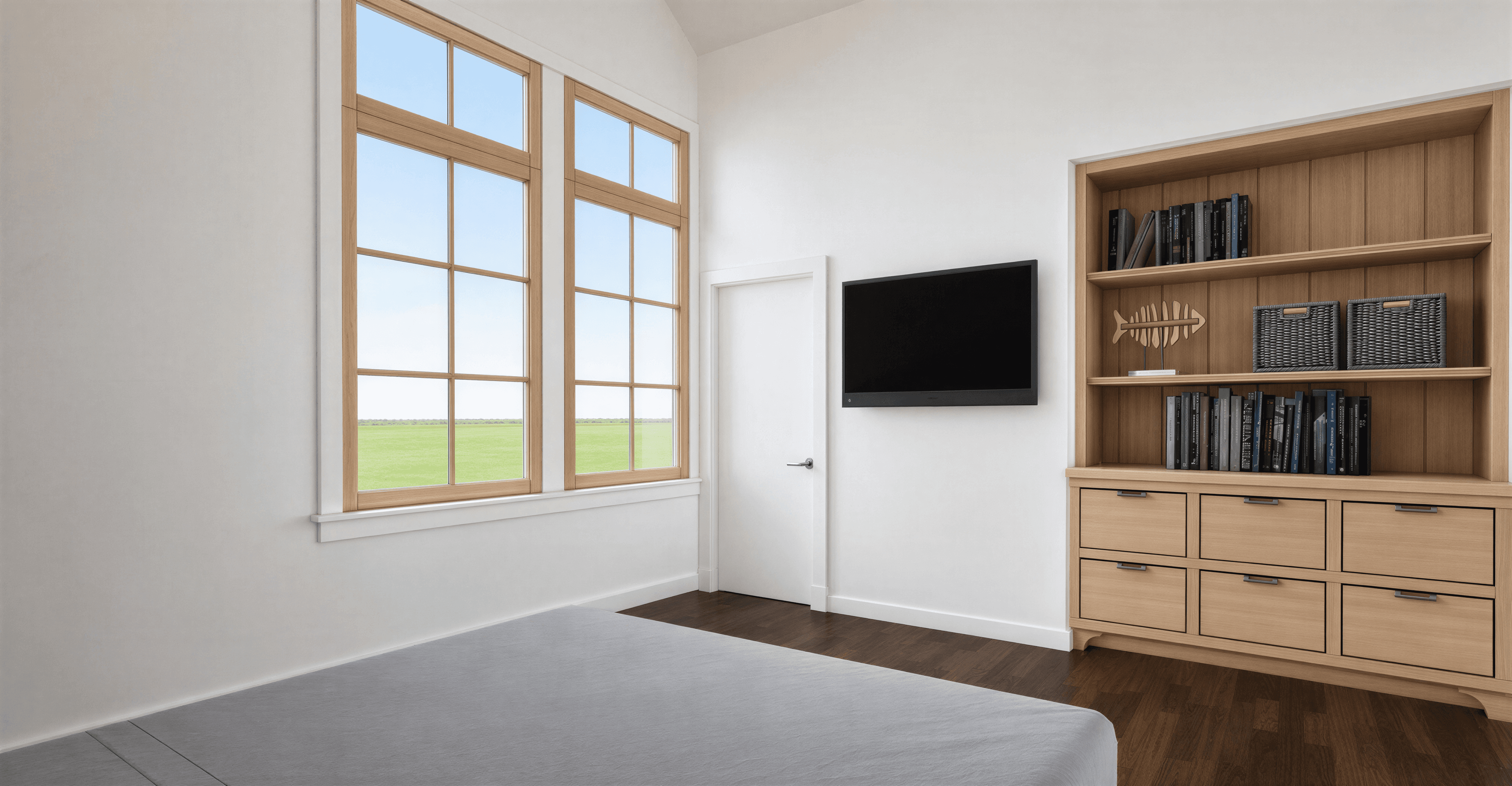
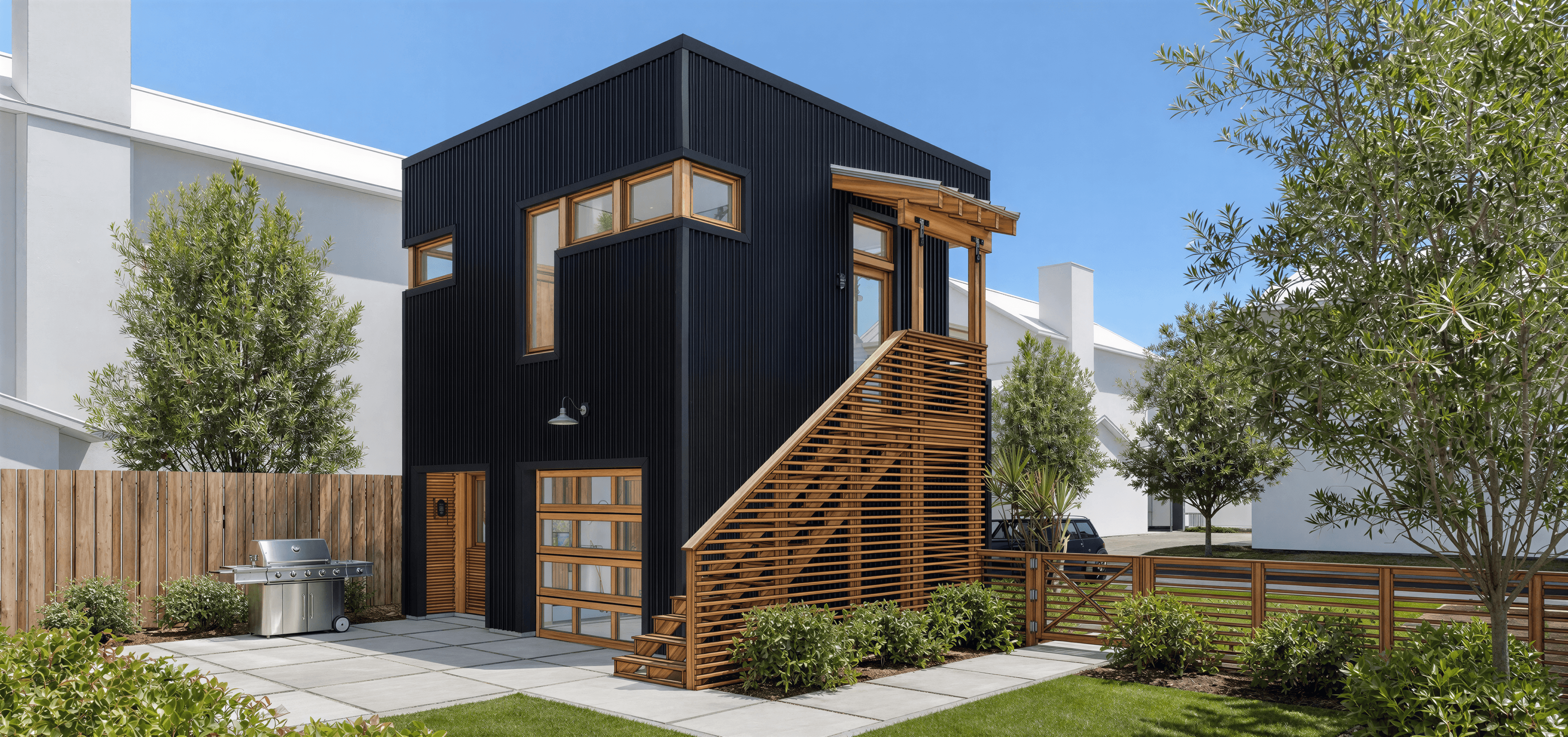
Japandi is a hybrid that should sound like a marketing invention but actually has real shared DNA. Japanese interior tradition and Scandinavian modernism both grew out of cold climates, scarce materials, and a cultural preference for restraint. When you put them together, you get rooms that feel quiet and intentional — low furniture, warm wood, paper screens, hand-finished ceramics — without going full monastic.
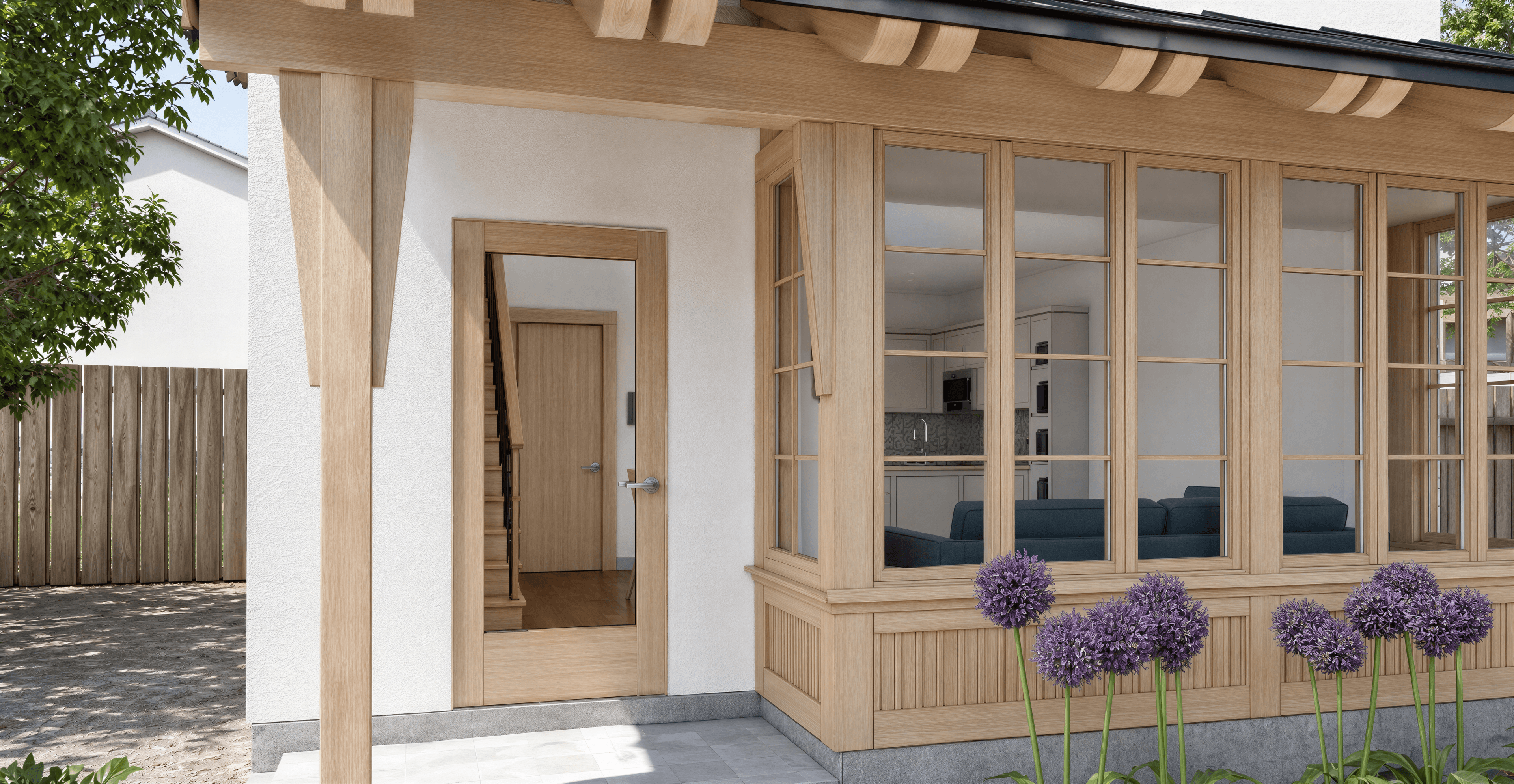
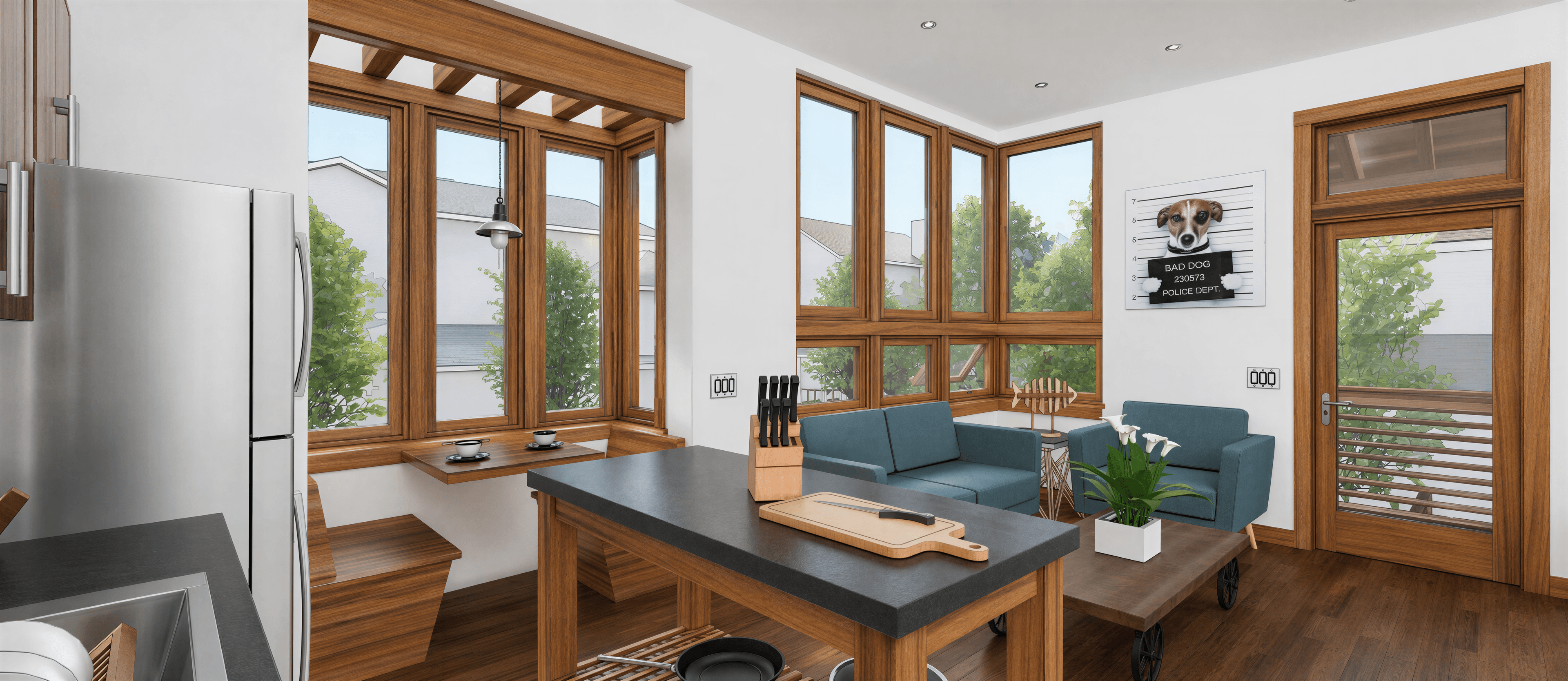
The biggest difference from straight Scandinavian is the woods. Japandi leans into walnut, smoked oak, and reddish-brown teak alongside the pale woods. The contrast between dark and light wood is intentional — it creates depth in what would otherwise be a very flat palette. Walls are still calm and matte, but they're often warmer than Scandinavian white — think bone, putty, or a faint clay tone.
Furniture sits low. A Japandi rendering reads correctly when the eye-level of the room is low: a sofa or platform bed that's 14–18 inches off the ground, a coffee table that's barely taller, floor cushions, a low dining table with cushions or low chairs. This is the single biggest thing that AI renders get wrong — they default to standard Western furniture heights and lose the calm horizontal rhythm.
Lighting is warm and directional. Where Scandinavian uses even diffuse daylight, Japandi often uses a single directional source — late afternoon sun raking across a wall, or a paper lantern casting a warm pool. Shadows are welcome, even appreciated. The visual reference is wabi-sabi: the room should feel like it has a time of day, not exist outside time.
Materials that earn their place: walnut, oak, washi paper, linen, raw cotton, hand-thrown ceramic, woven rush, untreated stone. Avoid anything that looks shiny, plasticky, or mass-produced. Tatami works if the room calls for it; otherwise plain wood floor in a wider plank is the default.
Render prompt
Paste this into airender
A balanced starting point that captures the material, lighting, and mood for Japandi. Tweak the specific furniture, materials, or camera direction to match your model.
Japandi prompt
Paste into the prompt field in airender, or use as a starting point and tweak the details.
Key materials
Materials that define Japandi
These materials carry the look. Mention any of them by name in your prompt to push the render in the right direction.
Color palette
The Japandi palette
Click any swatch to copy the hex. Use these in your interior design tool or call them out in the prompt for a tighter match.
Lighting
Lighting that flatters Japandi
These lighting conditions match the mood of the style. In airender, pick the matching preset under render options.
FAQ
Common questions
Frequently Asked
Questions
What separates Japandi from straight Scandinavian?
Warm woods (walnut, smoked oak), lower furniture heights, more directional light with visible shadows, and a slightly warmer wall color. Scandinavian wants even daylight; Japandi wants a single warm raking source. The materials are also rougher — hand-thrown rather than smooth.
Should the room have tatami?
Only if your model includes a tatami-appropriate space. Tatami is great in a tea-room or low bedroom, but forced into a Western-proportioned room it reads as costume. A plain wide-plank wood floor is the safer default and still reads correctly.
How do I get the warm tone without making it feel orange?
Keep the wall color in the bone/putty range and let the wood and lighting carry the warmth. If everything in the prompt is warm, the result tips into orange. Cooler walls + warm wood + warm light = balanced. Warm walls + warm wood + warm light = sepia.